Key Takeaways
- Equal Highs and Equal Lows (EQH/EQL) are liquidity pools, not simple resistance and support like retail charting assumes.
- Two or more swing points at nearly the same price attract resting stop-loss and breakout orders, making them a target rather than a wall.
- Smart money often pushes price through EQH/EQL briefly before reversing, sweeping the resting liquidity in the process.
- The tighter the equal levels, the more obvious the liquidity pool — and obvious levels get targeted first.
- EQH/EQL work best combined with market structure and timing, not as a standalone signal.
- Not every equal level gets swept — context still decides whether it’s a target or a genuine barrier.
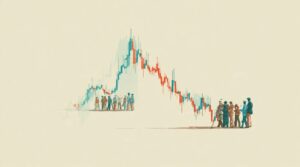
Look at almost any chart and you’ll spot it: two or three highs sitting at nearly the identical price, or a cluster of lows lined up like they were drawn with a ruler. Retail traders learn to call this resistance or support. ICT traders learn to call it something else entirely — a liquidity pool waiting to be taken.
Understanding Equal Highs and Equal Lows (EQH/EQL) changes how you read a chart. Instead of asking “will price bounce off this level,” you start asking “who has orders sitting here, and does the market need them?”
What EQH/EQL Actually Represent
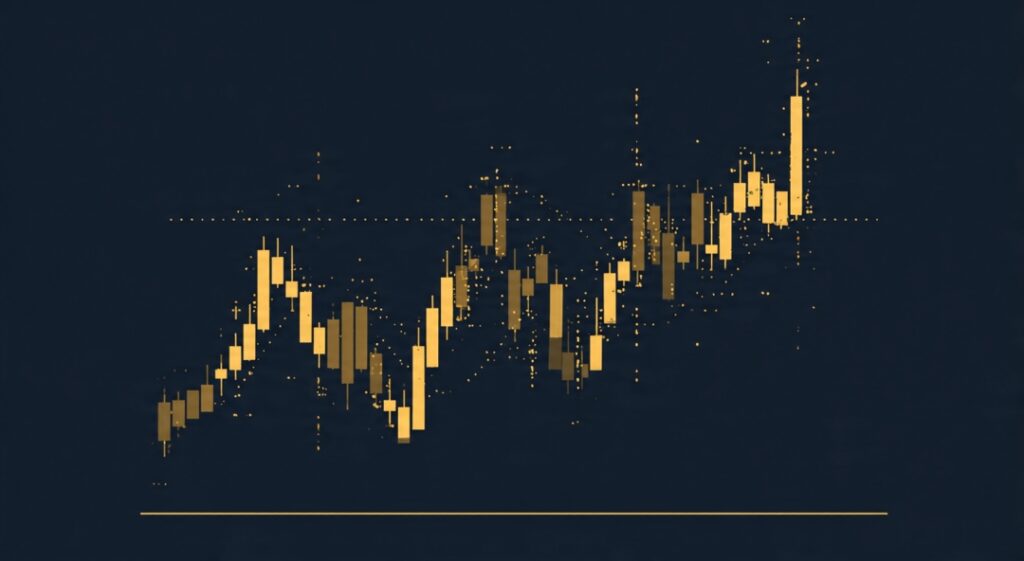
Equal Highs form when price reaches a similar high point more than once without breaking meaningfully above it. Equal Lows form the same way on the downside. In classic charting, this looks like a range or a double top/bottom. In ICT terms, it represents a concentration of resting orders — stop losses from traders who bought above the highs or sold below the lows, plus breakout orders waiting to trigger the moment those levels are crossed.
This ties directly into the broader concept of liquidity and market structure, where price is understood to move toward pools of orders rather than randomly wandering. EQH/EQL are simply the most visually obvious form of that liquidity.
“A level that everyone can see isn’t a wall. It’s a magnet — and the market rarely ignores an obvious magnet forever.”
Why Equal Levels Attract Price
Markets need two things to move meaningfully: willing counterparties and enough liquidity to fill large orders without slippage. Equal highs and equal lows conveniently stack both. Every time price touches a level and fails to break it, more traders place their stops just beyond that same point, thickening the liquidity pool each time it’s tested.
This is why EQH/EQL often get swept rather than respected. It’s not that the market is “hunting” traders out of malice — it’s that large orders need liquidity to execute, and the cleanest liquidity sits exactly where retail has been taught to place predictable stops.
The Sweep-and-Reverse Pattern
The most recognizable EQH/EQL behavior is a brief push through the level followed by a sharp reversal. Price breaks above equal highs just enough to trigger breakout buyers and stop-loss sellers, then reverses hard in the opposite direction. The same happens in reverse at equal lows.
This pattern is closely related to inducement in ICT trading, where an obvious level is used to bait retail participants into a position right before the real move develops against them. EQH/EQL are one of the clearest, most repeatable inducement setups on any chart because they’re visible to everyone, which is exactly why they work.
Comparison: Retail Reading vs ICT Reading of Equal Levels
| Element | Retail Reading | ICT Reading |
|---|---|---|
| What the level represents | Resistance or support wall | Pool of resting liquidity |
| Expected reaction | Bounce off the level | Brief sweep, then reversal |
| Trade taken at the level | Buy support / sell resistance directly | Wait for the sweep, then look for reversal confirmation |
| Multiple touches | Seen as a stronger level | Seen as a bigger, more obvious liquidity target |
| Breakout beyond the level | Assumed continuation | Assumed possible trap until structure confirms |
What Nobody Tells You
Here’s the part most ICT content skips: not every equal high or equal low gets swept, and treating EQH/EQL as a guaranteed reversal signal is one of the fastest ways to lose money confidently. Sometimes the market simply breaks through and keeps going, especially when higher timeframe structure and price action both support genuine continuation rather than a trap.
The honest way to use EQH/EQL is as a magnet that raises the probability of a reaction — not a certainty. Combine it with the surrounding structure, the session you’re trading in, and whether the move into the level even makes sense given the broader daily bias you formed before the session. A level in isolation tells you where price might react. Context tells you whether it actually will.
Spotting EQH/EQL in Real Time
The visual identification is simple once you know what to look for: two or more swing highs or lows within a few pips or points of each other, ideally formed with some time between the touches rather than back-to-back candles. The cleaner and more obvious the equal level looks on the chart, the more traders are likely watching it — and the more liquidity it’s likely holding.
Where it gets harder is deciding what to do once price approaches. This is where pairing EQH/EQL with a defined entry model matters. Order blocks and fair value gaps often form immediately after a sweep of equal highs or lows, giving a specific area to look for entries rather than guessing the exact reversal candle.
“The sweep isn’t the trade. The sweep is the invitation to start looking for one.”
Why Herd Behavior Makes EQH/EQL So Reliable
Equal levels work as liquidity pools precisely because so many traders are taught to react to them the same way. This collective, predictable reaction is a textbook example of herd behavior in financial markets — the more universally a level is recognized, the more mechanically predictable the orders sitting around it become, and the more attractive it is as a target for larger participants needing liquidity to fill size.
This is also why EQH/EQL that form on higher timeframes tend to matter more than ones on a 1-minute chart. More participants across more timeframes are watching the same reference point, which deepens the liquidity pool considerably.
Avoiding the Most Common EQH/EQL Mistake
The single biggest mistake traders make is entering the instant price touches an equal level, assuming an automatic reversal. This ignores the very real possibility of a stop hunt that continues further than expected before any reversal shows up, or a genuine breakout with no reversal at all. Waiting for confirmation after the sweep — a shift in structure, a clear rejection candle, or a supporting order block — protects against jumping in too early on a level that simply continues.
This mistake connects to a much broader trading habit worth fixing: the tension between waiting for confirmation and missing the move entirely. EQH/EQL trading sits right in the middle of that tension, and learning to sit through the sweep without panicking is often what separates a consistent read of these levels from a guessing game.
Now It’s Your Move
- Mark equal highs and equal lows on your chart across at least two timeframes before the session begins.
- Note which equal level sits closer to current price — that’s usually the more immediate draw on liquidity.
- Don’t enter on first touch. Wait to see whether price sweeps and reverses, or genuinely breaks through.
- Look for a supporting order block or fair value gap after any sweep before committing to an entry.
- Cross-check the sweep against your daily bias — a sweep that aligns with your bias carries more weight than one that fights it.
- Accept that some equal levels will simply break without reversing, and don’t force a trade to prove the concept “should” have worked.
- Review your EQH/EQL trades weekly to see which timeframes and sessions have given you the cleanest reads.