Key Takeaways
- A businessman doesn’t collect random income streams — every stream connects back to the same core asset, skill, or customer base.
- Unrelated income streams add up. Connected income streams multiply.
- The first stream should be strong before a second one is added — spreading too thin too early weakens all of them at once.
- Most “extra income” advice ignores the operational cost of running multiple things badly instead of one thing well.
- Passive income is rarely passive at the start — it’s active work that eventually requires less maintenance.
- The businessman’s advantage is combining streams so they reinforce each other, rather than treating each one as an isolated bet.
I’ve seen people proudly list five income streams on a whiteboard — a job, a side product, some freelancing, a small investment portfolio, and a dropshipping store — and still struggle financially, because none of those five things actually talked to each other. Meanwhile I’ve watched a business owner build what looks like “just one business” that quietly throws off product revenue, licensing income, and consulting fees, all from the exact same core asset.
That’s the real difference. Multiple income streams built the businessman’s way aren’t a collection of separate bets. They’re layers stacked on top of the same foundation, each one making the others stronger instead of competing for the same limited hours and attention.
Why Unconnected Streams Rarely Compound
The common version of “build multiple income streams” advice treats each stream as its own independent project — a completely separate skill, audience, and operational structure for every new source of money. This ignores diversification in the way it actually works well in a portfolio: the goal isn’t just variety for its own sake, it’s variety that reduces risk without destroying the underlying strength of any single component.
Five unrelated income streams, each mediocre because none gets enough real attention, often produce less total income and far more stress than two or three connected streams built from the same core competency. This connects directly to the difference explored in building income streams without quitting your job, which focuses more on the employee’s side-hustle version of this — the businessman’s version is a different animal entirely, built around owning the core asset rather than trading additional hours for additional pay.
“Five income streams that don’t talk to each other are just five jobs. Three that reinforce each other are a business.”
The Two Horses Principle Applied to Income Streams
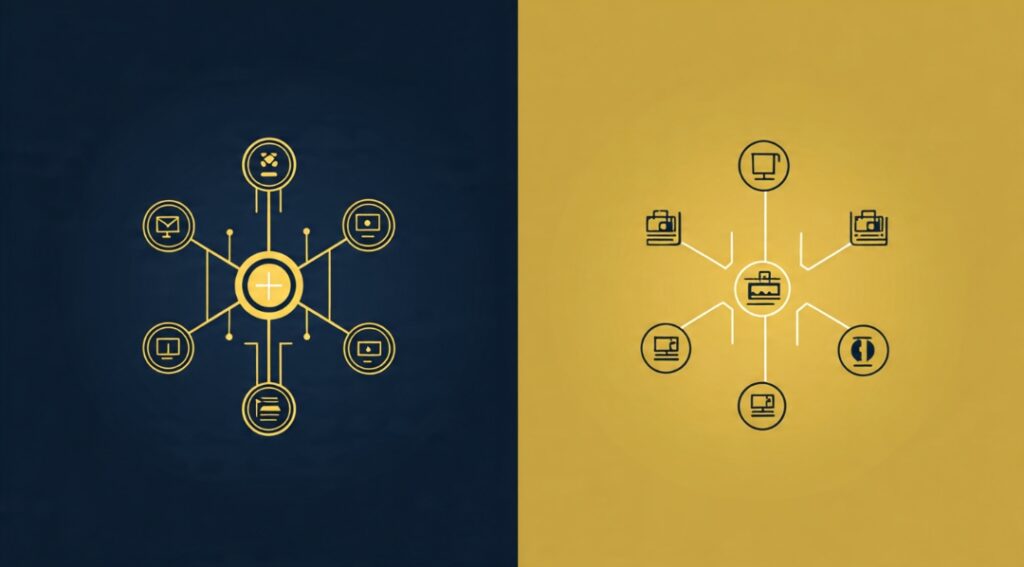
There’s an old lesson about two strong horses pulling together — combined, they don’t pull double the load, they pull triple. The same math applies to income streams built around a shared foundation. A product and a related service built on the same customer base don’t just add their individual revenue together; they reinforce each other, because customers who trust the product become easier to sell the service to, and vice versa, in a way that neither stream could achieve completely on its own.
An ego that insists on treating every income stream as its own separate, standalone empire misses this multiplying effect entirely. The businessman’s advantage isn’t more hustle across more disconnected ventures — it’s recognizing which streams, combined, produce more together than the sum of what they’d earn apart.
Why the First Stream Has to Be Strong Before Adding a Second
A common mistake is chasing a second or third income stream before the first one is genuinely stable. This is closely tied to the sequencing logic in cash flow before assets — building on an unstable foundation just multiplies the instability rather than the income. If the core business isn’t reliably profitable yet, adding a second venture usually dilutes attention from fixing the first one rather than genuinely adding new value.
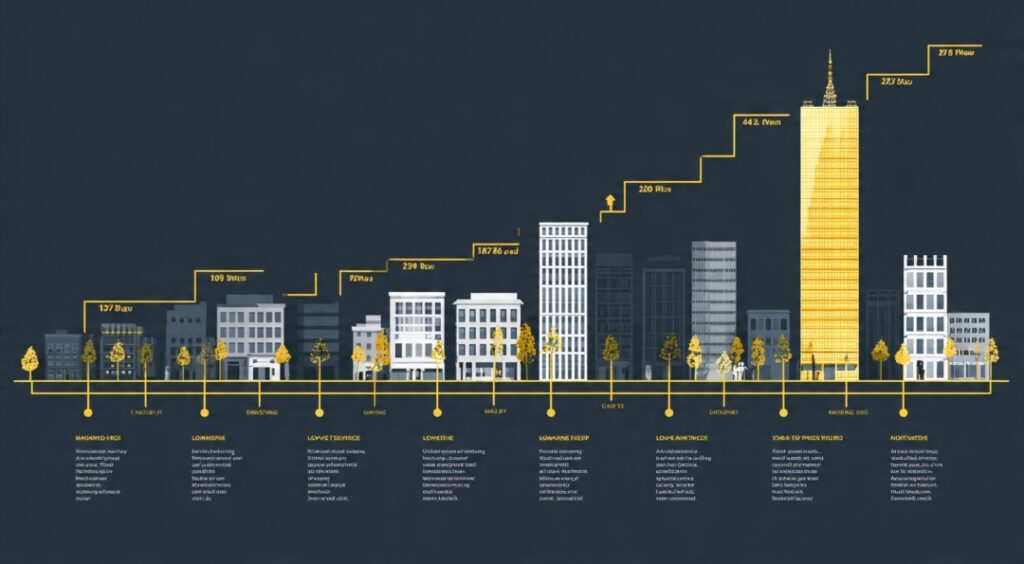
The businessman’s approach treats the first stream as the foundation that has to be solid enough to support weight before anything gets stacked on top of it. Only once that foundation is proven does a second, connected stream actually make the whole structure stronger instead of shakier.
Comparison: Random Side Hustles vs Connected Business Streams
| Element | Random Side Hustles | Connected Business Streams |
|---|---|---|
| Foundation | Each stream started independently | All streams built from the same core asset or audience |
| Time Investment | Attention split across unrelated skills | Attention reinforces the same skill and customer relationship |
| Growth Pattern | Streams add up individually, often weakly | Streams multiply through shared trust and infrastructure |
| Risk Profile | Each stream fragile due to divided focus | Core stream stays strong, additions genuinely additive |
| Long-Term Outcome | Busy, scattered, often burnt out | Layered, reinforcing, sustainable |
What Nobody Tells You
Here’s the part that gets left out of most “passive income” content: almost nothing is passive at the start. Every genuinely successful additional income stream required active, often unglamorous work upfront — building the systems, earning the initial trust, creating the asset — before it settled into something that required less ongoing maintenance. The word “passive” describes the eventual maintenance level, not the starting effort.
This is the same honest framing behind building passive income assets for monthly cash flow — the assets that eventually produce reliable, low-effort income almost always demanded significant active effort before they got there. Skipping that active phase and expecting a stream to be passive from day one is where most multiple-income-stream attempts quietly collapse.
Starting From Zero Capital
The businessman’s version of multiple income streams doesn’t require significant starting capital — it requires a clear core asset, even if that asset is simply a skill or a relationship with a specific customer base. This ties directly into building a business strategy starting with nothing, where the first income stream is often built purely on skill and effort, with capital only entering the picture once that first stream proves itself and funds the next connected layer.
Similarly, building a business with no money often naturally produces the first stream this way — service-based, skill-driven, low overhead — which then becomes the foundation the next stream gets built on top of, rather than starting a second unrelated venture from scratch with no shared foundation at all.
“You don’t need five ideas to build multiple income streams. You need one strong idea and the patience to build on top of it.”
Why Cash Flow Should Guide Which Stream Comes Next
Deciding what the next income stream should be isn’t a creative brainstorming exercise — it’s a cash flow question. The right next stream is usually the one that either uses spare capacity from the first stream’s existing infrastructure, or serves the same customer base with something adjacent they already need. Chasing a completely unrelated opportunity simply because it looks profitable elsewhere is how a focused business turns into a scattered collection of side projects.
This connects to how timeless business growth strategies prioritize connection over quick profit — the second and third income streams that last are the ones that deepen an existing relationship, not the ones chasing the fastest-looking payout regardless of fit.
Now It’s Your Move
- Confirm your first income stream is genuinely stable before seriously pursuing a second one.
- Identify your core asset — the skill, audience, or relationship every future stream should connect back to.
- Evaluate any new income idea by asking whether it reinforces the first stream, or simply competes for the same limited hours.
- Expect the early phase of any new stream to be active work, not passive income, and plan your time accordingly.
- Prioritize streams that serve your existing customer base over unrelated opportunities that look appealing in isolation.
- Track whether your streams are adding or multiplying — if adding a new one weakens the others, it’s not the right fit yet.
- Review your income structure quarterly to confirm each stream still reinforces the others rather than quietly becoming its own disconnected project.