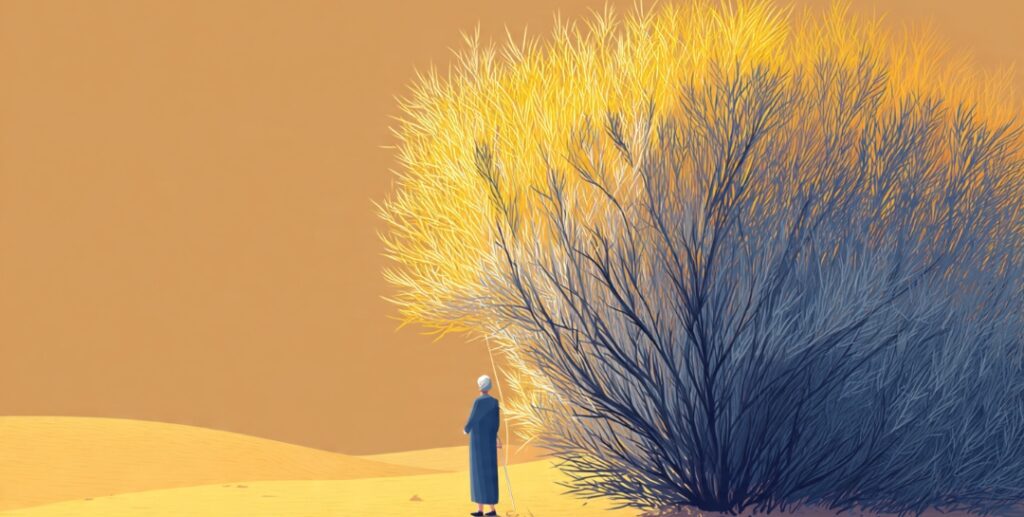
Imagine walking into a beautiful park. There are wide lawns, tall trees, birdsong, open sky, people enjoying the afternoon. And somewhere in that park is one tree covered in thorns. Now imagine spending your entire visit standing at that one tree, reaching out to touch the thorns, getting pricked, pulling back, and reaching out again — bleeding, frustrated, wondering why it keeps hurting. The whole park is behind you the entire time. This is exactly what most of us do with the toxic people in our lives. We fixate on the one source of pain, keep reaching for it, keep getting hurt, and completely miss the enormous, beautiful life sitting right there in our peripheral vision. The tree isn’t going to stop having thorns. The only thing you control is whether you keep touching it.
The Thorn Only Hurts the Hand That Reaches
Here’s the first thing worth sitting with: the thorny tree isn’t chasing you. It’s just standing there, being what it is. You are the one walking up to it and reaching out. And every time you do, only one person gets hurt — you. The tree feels nothing.
Toxic dynamics work the same way. The person who drains you, the one who criticizes, dismisses, or takes and never gives — when you keep going back, keep seeking their approval, keep replaying what they said, keep hoping this time it’ll be different, you’re the one absorbing all the damage. They’re often barely affected. The energy you pour into being hurt by them is energy leaving your body, not theirs. Recognizing this isn’t about blaming yourself; it’s about locating the one lever you actually control. You can’t make the tree grow soft. You can only decide to stop reaching for the thorns — which is really a question of where you place your sense of control, on them or on yourself.
Why We Keep Reaching for the Thorn
If it hurts every time, why do we keep doing it? Because the human mind is built to fixate on what’s wrong, not what’s right. It’s called negativity bias — we’re wired to give a single painful thing far more attention than a hundred good things. One harsh comment outweighs ten kind ones. One difficult person can occupy more of your mind than every supportive person combined.
On top of that sits a second trap: rumination — the mind’s habit of looping the same painful thought over and over, replaying the conversation, rehearsing what you should have said, imagining the apology you’ll never get. Rumination feels like you’re solving something. You’re not; you’re just touching the thorn again in your imagination, getting pricked again with no one even present. This is why a toxic person can keep hurting you long after they’ve left the room, and why the fixation is so hard to break — your own attention keeps the wound open. Understanding this is the first step toward the same mental discipline behind real mental toughness: not gritting your teeth, but choosing what you dwell on.
The Park Is Right There — And You’re Missing It
While you’re bleeding at the thorn tree, here’s what you’re not seeing: the rest of the park. The people who actually treat you well. The friendships that give instead of take. The work you enjoy. The small daily pleasures. The parts of your own life that are genuinely good and are quietly waiting for your attention.
This is the real cost of chasing toxic people — not just the pain they cause, but the beauty you miss while fixated on them. Every unit of attention spent on someone who drains you is a unit stolen from someone or something that would fill you. The tragedy isn’t only the wound; it’s the entire good life happening in your peripheral vision while you stare at the one thing that hurts. And here’s the liberating truth underneath it: life is genuinely beautiful. If it currently feels bad, it may be less about your life being bad and more about where you’ve been pointing your attention. Turn toward the park, and the same life can feel completely different — a shift closely tied to rewiring your mindset from the ground up.
It’s Not About Fixing Them — It’s About Redirecting You
Notice the reframe here, because it’s the whole point. The goal isn’t to change the toxic person, win them over, get them to finally see your worth, or extract the apology you’re owed. That’s still standing at the thorn tree, just hoping the thorns will change. They won’t.
The goal is to redirect your own focus toward what nourishes you. This is a profound shift in strategy: you stop trying to fix the unfixable and start investing in the good that’s already available. You can’t control whether someone is toxic. You have enormous control over how much of your finite attention and energy they get. Withdrawing your focus from the thorn isn’t revenge and it isn’t even really about them — it’s simply choosing to spend your one life looking at the park instead of the thorns. And often, the most powerful move is the quietest one: not a dramatic confrontation, but a calm decision to stop reaching, which connects directly to knowing when silence serves you better than engagement.
An Honest Caveat: Not Everyone Is “Toxic”
A necessary word of balance, because this idea gets misused. Not every person who disappoints you, disagrees with you, or has a bad day is “toxic.” Labeling everyone who causes friction as toxic and cutting them off is its own kind of unhealthy — real relationships include conflict, and the ability to work through difficulty is part of being close to anyone.
The thorn tree in this metaphor is a genuinely draining, repeating, one-directional dynamic — the person who consistently takes and never gives, who repeatedly disrespects you, who leaves you smaller every single time. That’s different from a friend who occasionally frustrates you or a family member you had one hard week with. Use this idea to redirect energy away from what genuinely, consistently harms you — not as a license to discard every relationship the moment it becomes imperfect. Sometimes the healthiest move isn’t withdrawing at all; it’s setting a clear boundary and staying, which is a different skill entirely.

A Serious Note, Because It Matters
This article is about the everyday draining relationships most people carry — the energy-takers and the fixations we’re better off releasing. But some situations are far more serious than a thorn to stop touching. If you are dealing with genuine abuse, manipulation that’s harming your safety or mental health, or a relationship you feel unable to leave, that is not something to simply “refocus” away from, and you don’t have to handle it alone. Please consider reaching out to a trusted person in your life or a qualified professional who can offer real support. Redirecting your focus is powerful for ordinary toxic dynamics; genuine harm deserves genuine help.
Where to Actually Put Your Focus Instead
Withdrawing attention from the thorn only works if you have somewhere better to put it. The redirection is the whole strategy:
- Toward the people who give. Pour the energy you were spending on the draining relationship into the ones that are mutual — the friends and family who show up, who fill you rather than empty you. They’ve often been quietly under-watered while the thorn got all your attention.
- Toward what you’re building. Your goals, your work, your skills — things that grow when you feed them and give back real progress. Attention spent here compounds instead of bleeding out.
- Toward your own inner state. The happiness the metaphor points to comes from inside, from what you choose to dwell on, not from finally winning over the person who won’t be won. Tend to that directly.
- Toward the small, present good. The ordinary pleasures of a normal day that negativity bias makes invisible. Deliberately noticing them retrains attention away from the thorn.
- Toward catching the rumination. When you notice your mind looping back to replay the pain, gently redirect it — you’re touching the thorn in your imagination, and you can choose to put your hand down.
None of this requires the toxic person to change or even to know. It’s entirely within your power, happening in the space between your ears and in where you choose to spend your days — the same self-directed shift that builds genuine self-confidence and quiets the self-doubt that draining people so often feed.

The Whole Park Is Waiting
The thorny tree will always be there, and it will always have thorns — that’s simply its nature, and no amount of your bleeding will change it. But you were never required to stand at that one tree. The entire park has been behind you the whole time: the good people, the real pleasures, the life that’s genuinely beautiful when you actually turn to look at it. Chasing toxic people is choosing the thorn over the park, the pain over the beauty, again and again, out of a habit your own mind makes hard to break. The way out isn’t winning at the tree. It’s turning around. Stop reaching for what only hurts you, point your finite attention at everything good that’s been waiting patiently for it, and you may find that the life you thought had gone bad was mostly just a beautiful park you forgot to look at. It’s the same principle that quietly shapes how much our habits of focus determine our lives — you become what you pay attention to.
- Fixating on toxic people is like standing at a thorny tree in a beautiful park — only the hand that reaches gets hurt, and the whole park waits behind you.
- The thorn only hurts the one who reaches; the energy you spend being hurt leaves you, not them.
- We keep reaching because of negativity bias (fixating on the one bad thing) and rumination (looping the pain in our minds long after the person is gone).
- The goal isn’t to fix or win over the toxic person — it’s to redirect your finite attention toward what nourishes you.
- Not everyone who causes friction is toxic; use this to release genuinely draining, one-directional dynamics, not to discard every imperfect relationship — and sometimes a boundary beats withdrawal.
- Genuine abuse or harm is different and deserves real support from a trusted person or professional, not just refocusing.
Frequently Asked Questions
Why do I keep focusing on toxic people who hurt me?
Because of negativity bias — the mind is wired to give one painful thing far more attention than many good things — combined with rumination, the habit of replaying the hurt on a loop. Together they keep your attention locked on the source of pain even when the person isn’t present.
How do I stop chasing someone who is toxic?
Shift the goal from changing them to redirecting your own focus. You can’t make a thorny tree grow soft, but you control how much of your finite attention and energy it gets. Withdraw your focus from the fixation and deliberately invest it in the people and pursuits that nourish you.
Isn’t it my job to fix a difficult relationship?
Sometimes working through difficulty is worth it — normal relationships include conflict. But if a dynamic is consistently draining and one-directional, trying to “fix” it is often just standing at the thorn hoping it changes. The healthier move may be redirecting your energy, or setting a clear boundary and staying.
Is everyone who upsets me a toxic person?
No. Labeling everyone who disappoints or disagrees with you as toxic is its own unhealthy pattern. A genuinely toxic dynamic is consistently draining and one-directional — someone who repeatedly takes, disrespects, or diminishes you — not a friend who occasionally frustrates you or a hard week with someone you love.
Where should I redirect my focus instead?
Toward the people who give rather than take, the goals and skills you’re building, your own inner state, and the small everyday pleasures that negativity bias makes invisible. Also toward catching rumination when it loops, and gently putting your attention back on what nourishes you.
Why does a toxic person keep hurting me even when they’re gone?
Because rumination keeps the wound open — your mind replays the conversations and rehearses responses, effectively touching the thorn in your imagination with no one present. The fixation, not just the person, is what keeps causing the pain, which is also why redirecting attention helps so much.
What if the situation is abuse, not just a draining relationship?
That’s far more serious than something to simply refocus away from, and you shouldn’t handle it alone. Please consider reaching out to a trusted person or a qualified professional for real support. Redirecting focus helps with ordinary draining dynamics; genuine harm deserves genuine help.