You have no money. No investors. No rich uncle. And you think real estate is a rich man’s game that you’ll never play.
You’re wrong. I’m telling you this as someone who’s been where you are — and still closed deals worth thousands without a single rupee of my own money in the game.
Look, I’m not going to sugarcoat this. The real estate industry is full of velvet ropes, insider language, and people who want you to believe you need massive capital just to enter the conversation. That’s convenient for them. It keeps competition out. But I stumbled into this business by accident — through desperation, actually — and what I learned can put money in your pocket within 30 days if you have the stomach for it.
In this article, I’m going to walk you through exactly how I did it, step by step, with nothing but a few handmade boards, a working phone number, and the willingness to look stupid in public. No fluff. No theory. Just what worked.
The Conversation That Changed Everything
A friend of mine was working in Dubai as a real estate agent. Just a seller — nothing fancy. He’d get 4% commission on sales, sometimes 6% if he pushed harder. One day he looked at me and said, “Shurah, you’ve got a business brain. You hustle. You know how to talk to people. Why aren’t you in property?”
I laughed. I was the guy who fixed ACs in 45-degree heat. I was the plumber who left school in 10th class. Real estate was for suits, not for someone with grease under his fingernails. But he kept pushing. “Just try it. If the experience is good, keep going. If it’s not, drop it. You lose nothing.”
That last line stuck. You lose nothing. In a world where every business seemed to demand capital I didn’t have, here was something where the only investment was my time and my willingness to look foolish. Those, I had in abundance.
Here’s the thing about zero-money businesses: they don’t require zero resources. They require you to substitute courage for capital. If you’re not ready to do that, close this article now. Seriously. Go read something comfortable. This isn’t for you.
How I Closed My First Two Property Deals Without a Single Rupee
I’m going to tell you the raw, unpolished version of this story. Not because it makes me look smart — honestly, I was terrified the entire time — but because you need to see that this doesn’t require genius. It requires action. Action that feels stupid. Action that might get you yelled at.
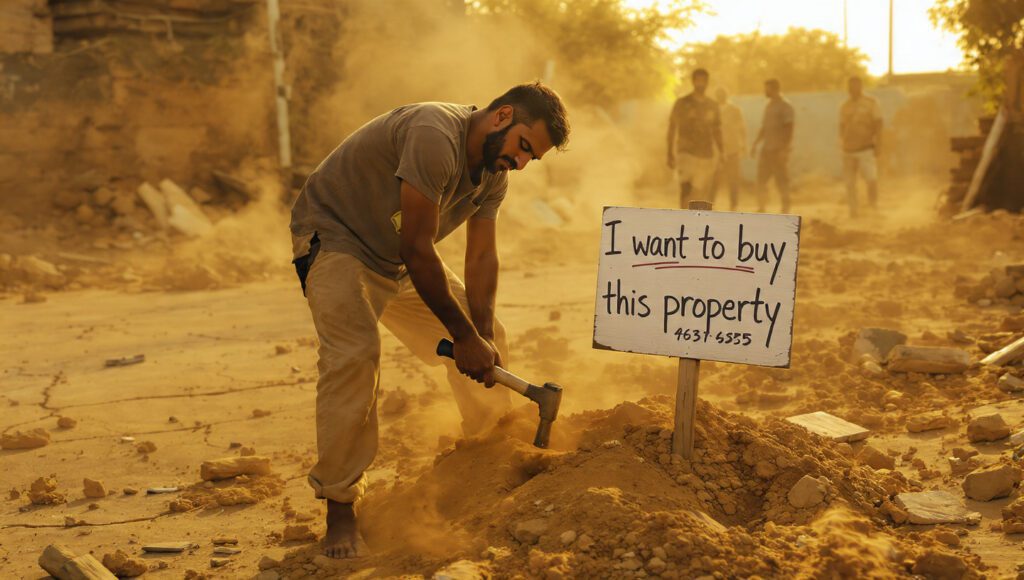
One day, I just walked out of my house. No plan. No mentor. No checklist. I spotted a vacant plot in a decent location. I had no idea if the owner wanted to sell. I had no connection to them. I knew nothing. But instead of letting that stop me, I did something embarrassingly simple: I made a board that said “I want to buy this property” and stuck my phone number on it.
My heart was pounding as I placed that board. I was terrified the owner would call and scream at me. I was scared someone would report me. I was scared of looking like a desperate fool in my own neighborhood. But here’s what I’ve learned about fear: it’s loudest right before you act, and it quiets down the moment the action is done.
That same day, I placed boards on three more vacant plots. Four total. Cost of boards? Almost nothing — just some cheap material and my own handwriting. Risk? Getting yelled at. Upside? Unknown, but potentially life-changing.
The Phone Call That Proved the Model Works
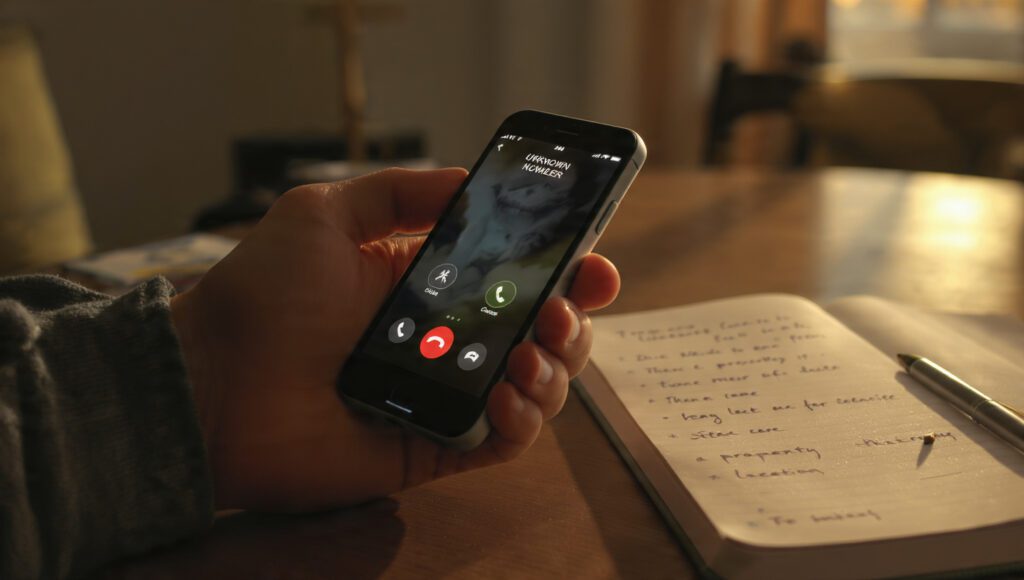
Within a few days, I got two calls. Two owners had seen my board and wanted to discuss selling. They told me their price demands. I listened. I took notes. I didn’t negotiate — I was just collecting information. The other two plots got “Not For Sale” boards from their owners. Fine. No harm done. Nobody called to scream at me. The fear was mostly in my head.
Now I had something valuable: two motivated sellers and their price expectations. But I still had no money to buy anything. This is where most people stop. They think, “I found the deal, but I can’t close it, so what’s the point?”
Wrong mentality. What you have at this stage is information arbitrage — you know about a willing seller that other buyers don’t know about yet. That information has value. You just need to connect it to someone with money.
I reached out to a known property dealer in my area — someone who actually had buyers. I told him straight: “I’ve got two plots. Good locations. Here are the seller’s demands. I want 1% commission. You do the paperwork, you take your cut, I get my 1%.”
Why only 1%? Because I was testing. I wasn’t there to maximize profit on my first deal. I was there to prove the model works. Greed at this stage kills deals. Stay humble on your first few transactions.
The dealer checked the properties. Within a week, both were booked. Both sold within a month. My commission? Somewhere between $14,000 and $15,000. I don’t remember the exact figure — this was a while ago — but I remember the feeling. It wasn’t excitement. It was quiet disbelief that something so simple had actually worked.

The Step-by-Step Model: How You Can Do This Starting Tomorrow
Let me break this down into a repeatable process. I didn’t invent this. Wholesalers have been doing versions of this for decades. But most people overcomplicate it. Here’s the stripped-down version that requires zero capital:
Step 1: Identify Vacant or Undervalued Properties
Drive around. Walk around. Look for plots with overgrown grass, empty buildings, properties that look neglected. These often belong to owners who’ve moved away, inherited property they don’t want, or simply haven’t gotten around to selling. You’re not looking for listed properties — you’re looking for unlisted opportunities where nobody else is competing yet.
Step 2: Make Contact Where Others Won’t
I used a board. You can use a board, a letter, or — if you’re braver than I was — knock on neighboring doors and ask who owns the vacant plot. The method matters less than the action. Most people never make contact because they’re afraid of looking unprofessional. Unprofessional is better than unemployed.
Step 3: Collect Information, Not Commitments
When an owner calls, your job isn’t to close a deal on the spot. Your job is to listen. What’s their price? Why are they selling? How quickly do they want to move? You’re a researcher at this stage, not a negotiator. Write everything down.
Step 4: Partner With Someone Who Has Buyers
This is the critical step. You don’t need to find the end buyer. You need to find someone who already has a network of buyers — a seasoned dealer, an active agent, someone who closes transactions regularly. Give them the deal. Take a smaller cut. Small money on your first deal is infinitely better than no money because you got greedy.
Step 5: Get Paid and Reinvest — or Move On
Once you’ve closed a deal or two, you have options. You can scale this model, reinvest your commissions into your own properties, or — like I did — use the capital to fund other businesses while keeping this as a side skill. The point is you now have proof of concept and cash in your hand, neither of which you had before.
What Nobody Tells You About Zero-Money Businesses
Let me get real with you for a minute. The whole “zero money” thing sounds attractive, but it hides an uncomfortable truth: you’re going to feel like an idiot for the first few weeks. You’re going to place boards that nobody responds to. You’re going to get ignored. You might even get a call from an angry owner. Your own family might laugh at you.
I’ve dealt with mockery my entire life. Relatives laughed when I became a plumber. They smirked when I started selling T-shirts. They questioned every unconventional move I made. You know what I learned? Mockery from people who’ve never taken a risk is not feedback. It’s noise. Filter it out.
Dealers might delay your payment. Customers might back out. Deals might collapse at the last minute. The agent I worked with on my first two deals gave me excuses about why the payment was late. “The buyer hasn’t transferred yet.” “There’s a paperwork delay.” I don’t know if those excuses were real or not. It didn’t matter. Eventually, I got paid. Patience without desperation is a superpower in this business.

Why I Eventually Stepped Away — And Why That’s Okay
After those first deals, I did a few more. The money was coming in. But here’s the thing about me: I’m not built to do one thing forever. My brain is always scanning, always hunting for the next opportunity. As commissions came in, I started investing them into other businesses — the T-shirt brand, trading capital, freelancing infrastructure.
Real estate was a capital-generating tool for me, not a lifelong career. And that’s the point I want you to understand: you don’t have to marry this business. Use it. Extract from it what you need — cash, experience, confidence — and then decide if you want to stay or go.
Too many people think you have to commit to one thing forever. That’s employee thinking. Entrepreneurial thinking says: use every opportunity as a stepping stone to the next one. The real estate model I used still works today. If I wanted to, I could step back into it tomorrow with zero capital and start generating leads within a week. That’s the beauty of a skill-based model. Nobody can take it away from you.

“The greatest risk in business isn’t losing money you never had. It’s staying so comfortable that you never find out what you’re capable of.” – Shurah Beel Hamid
⚡ Quick Action Steps: Start Your Zero-Money Real Estate Hustle This Week
- Scout 5 properties tomorrow. Drive or walk through your area. Find five vacant or neglected plots. Note their exact locations.
- Prepare your contact method. Make a simple board or write a letter. Include only: “I want to buy this property” and your phone number. Nothing fancy.
- Place your boards. Do it during daylight. Be respectful of the property. Don’t overthink this step.
- Wait and answer every call. When someone calls, listen. Ask: price expectation, reason for selling, timeline. Write everything down.
- Partner with a dealer. Once you have a willing seller, contact a local property dealer. Offer them the lead in exchange for a small commission percentage. Let them handle the paperwork.
Frequently Asked Questions
1. Is this actually legal? Won’t I get in trouble for putting boards on someone else’s property?
Placing a temporary sign expressing interest in buying is generally not illegal, but you should check local regulations. The worst case in my experience is the owner removes the board and puts up a “Not For Sale” sign — which happened to me on two out of four properties. Nobody called the police. Nobody sued me. The fear of legal trouble is usually far bigger than the actual risk. But do your own homework on your local laws before starting.
2. What if the property owner calls and gets angry?
Then you apologize politely, explain what you’re doing, and remove the board immediately. That’s it. An angry phone call is not a lawsuit. It’s not a criminal record. It’s a moment of discomfort, and as I’ve said before, discomfort is the price of growth. Most owners who aren’t interested will simply ignore the board or take it down. The ones who call are usually the ones who are at least curious.
3. I don’t know any real estate dealers. How do I find one?
Go to areas where property transactions are happening. Visit a few real estate offices in your city. Walk in. Tell them honestly: “I can find motivated sellers. If I bring you a deal, will you give me a percentage?” Some will say no. Some will ignore you. You only need one who says yes. Rejection during the search for a partner is free. Stop treating it like it costs you something.
4. How much commission should I ask for on my first few deals?
On my first two deals, I asked for 1% — a deliberately small share. This made the dealer’s decision easy. Why would he refuse a good lead that cost him almost nothing? Once you’ve proven you can deliver, you can negotiate higher percentages. But your first goal is not to maximize profit. It’s to prove the model works and build a track record. Greed early kills opportunity.
5. What if the dealer doesn’t pay me after the deal closes?
This nearly happened to me. The dealer delayed payment with excuses. I stayed patient but persistent. I followed up regularly without becoming hostile. Eventually, I got paid. In the future, if you continue in this business, you can put simple written agreements in place. But on your first deal, the risk of non-payment is real — and it’s why you should work with dealers who have a reputation to protect.
6. Can I do this while working a full-time job?
I was repairing ACs and running other side hustles when I did this. You don’t need to quit your job. The model requires bursts of activity — scouting properties, placing boards, taking calls — not a full-time commitment. Use your evenings and weekends. Treat your job as the funding source for your life and your side hustle as the funding source for your future.
7. What’s the biggest mistake people make when trying zero-money real estate?
They overcomplicate it. They think they need a website, a brand, business cards, and a mentor before they can start. They spend months “preparing” and never place a single board. The entire model works or fails on one thing: your willingness to take imperfect action before you feel ready. If you’re not willing to look slightly foolish in public, this model isn’t for you. No amount of preparation will substitute for the moment you actually place the first board.
Conclusion: The Board Is Waiting for You
Here’s what separates the people who will actually do this from the ones who will just read about it and move on: the ones who do it are willing to feel uncomfortable for a few weeks in exchange for a skill that pays them for life.
I was a plumber who tried to end his life. I had no degree, no connections, and no money. If I could place four boards, get two calls, partner with a dealer, and walk away with nearly $15,000 in commission, you can place one board this week and see what happens. The math is stupidly simple. The execution is what filters out 99% of people.
My team and I keep our minds open. We test ideas. Some work. Some don’t. But we never, ever let “I don’t have money” be the reason we don’t try something. Money follows value. Become the person who finds value — in vacant plots, in motivated sellers, in overlooked opportunities — and money will find you eventually.
If there’s an easier way to start in real estate with zero capital than what I’ve described, tell me in the comments. My team will genuinely test it. We’re always open to new approaches. That’s how you build wealth — by staying curious when everyone else has stopped looking.

About the Author
Shurah Beel Hamid is a business strategist, active forex and gold trader, and content creator who went from dropping out of school to work as a plumber to building businesses across multiple continents. He has started and sold properties, launched a T‑shirt brand targeting expats in Saudi Arabia, and built freelancing income from scratch — all without formal education or inherited capital. His content focuses on practical, zero‑fluff strategies for people who want to build wealth without waiting for permission.
Disclaimer: This article is for educational and informational purposes only. It does not constitute legal, financial, or real estate advice. Real estate transactions involve legal, financial, and regulatory considerations that vary by jurisdiction. Always consult licensed professionals — including real estate attorneys and agents — before entering into any property transaction. Past personal experiences shared in this article are not guarantees of future results. All business ventures involve risk, including the potential loss of time and money.