Landing the client is only half the job. Actually getting the money into your account — cleanly, quickly, and without losing a chunk to fees — is the part most new freelancers never think about until their first payment goes sideways. The method you choose to get paid affects how much of your earnings you actually keep, how long you wait for it, and whether you’re protected if a client disappears. There’s no single “best” way to get paid; there’s only the method that fits your client, your country, and your situation. This guide breaks down the main options so you can choose deliberately instead of defaulting to whatever a client happens to suggest.
First, the Real Question Isn’t “Which Method Is Best”
Every payment method is a trade-off between five things: fees, speed, availability in your country, how currency conversion is handled, and how much protection you get if something goes wrong. A method that’s perfect for a freelancer in one country can be unavailable or expensive for another, and a method that’s cheap for domestic clients can be costly for international ones. So before comparing options, get clear on your own priorities. Are most of your clients local or overseas? Do you need the money fast, or is lowest cost more important? Once you know that, the right method becomes obvious. This is as much a part of running your freelance business well as knowing how to set your rates in the first place.
Bank Transfers: The Reliable Default
Direct bank-to-bank transfer is the oldest and most universal way to get paid. For clients in your own country, a domestic electronic funds transfer is usually cheap or free and reasonably fast. The complication comes with international clients, where an international wire transfer can carry meaningful fees on both ends and take several business days, often with an unfavorable exchange rate baked in. Bank transfer is dependable and widely trusted, but for cross-border work it’s frequently the slowest and one of the more expensive routes once all the hidden costs are counted. It shines for large, established, domestic client relationships where trust is high and fees are low.
Online Payment Platforms: Convenient but Watch the Fees
Digital payment platforms made getting paid across borders dramatically easier, and they’re often the first method new freelancers reach for because clients everywhere already use them. The upside is speed and near-universal recognition. The downsides are the fees, which can stack up between transaction charges and currency conversion, and the risk of payment reversals — a client can sometimes dispute a payment even after work is delivered. These platforms are excellent for smaller projects and quick payments, especially with new clients who want something frictionless, but the percentage they take adds up over time, which matters more as you work on increasing your freelancing income and every point of fees becomes a real number.
International Transfer Services: Built for Cross-Border Freelancers
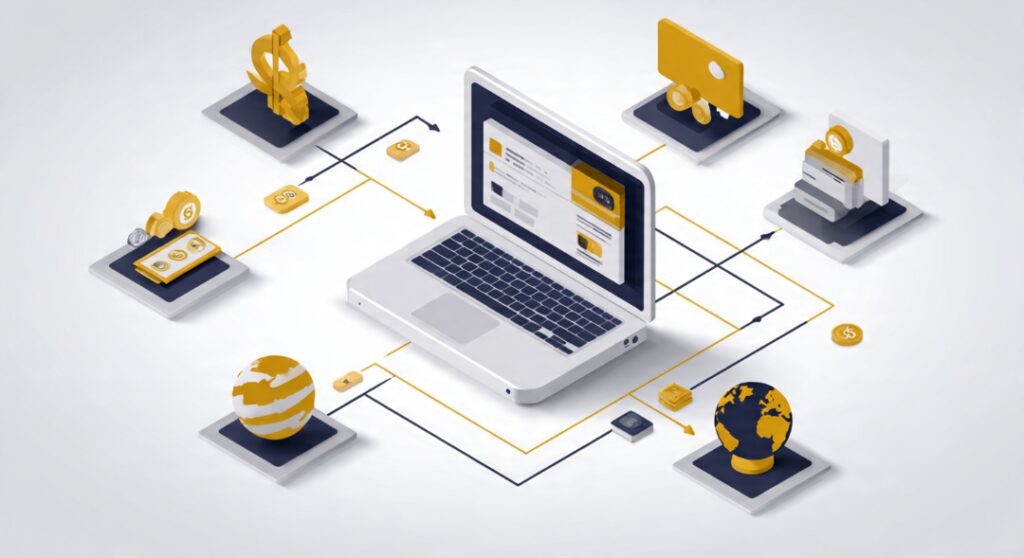
A category of services emerged specifically to solve the pain of cross-border freelance payments, sitting between traditional banks and payment platforms. Their whole selling point is handling currency conversion closer to the real exchange rate and charging lower fees on international transfers than a traditional bank wire typically would. Many also give you local receiving account details in major currencies, so an overseas client can pay you as if the transfer were domestic on their end. For freelancers whose clients are mostly international, this category is often the sweet spot on cost and convenience — though availability still varies by country, so it’s worth checking what actually works where you live before committing.
Marketplace Built-In Payments: Protection at a Price
If you work through a freelance marketplace, the platform’s built-in payment system is often the safest way to get paid, because it usually holds the client’s funds in escrow before you start. That protection is real — the money is confirmed as available before you do the work, which removes the biggest risk of not getting paid at all. The trade-off is the platform’s commission, which can take a noticeable slice of each payment. For beginners especially, that protection is often worth the fee while you build trust and reviews, which is exactly the stage covered in making your first $100 on Fiverr. As you move to direct client relationships, many freelancers shift away from marketplace fees toward lower-cost direct methods.
Digital Wallets and Local Payment Options
In many regions, mobile wallets and local digital payment systems have become a fast, low-cost way to receive money — sometimes instantly and with minimal fees. These are usually most useful for domestic clients or within specific regions where the system is widely adopted. Their strength is speed and low cost; their limitation is that they often don’t work across borders, so their usefulness depends heavily on where you and your clients are located. Where they’re well established locally, they can be one of the most efficient ways to get paid for domestic work.
Cryptocurrency and Stablecoins: The Emerging Option
A growing number of freelancers, particularly in tech, now accept payment in cryptocurrency — most practically in stablecoins, which are designed to hold a steady value rather than swing wildly. The appeal is borderless transfer that doesn’t depend on any single country’s banking system, often with fast settlement. The cautions are real, though: regulatory treatment varies enormously by country, price volatility is a concern for anything that isn’t a stablecoin, and both you and the client need to be comfortable with the technology. It’s not for everyone, but for certain international clients and tech-savvy freelancers, it’s become a legitimate option worth understanding rather than dismissing.
How to Compare Your Options at a Glance
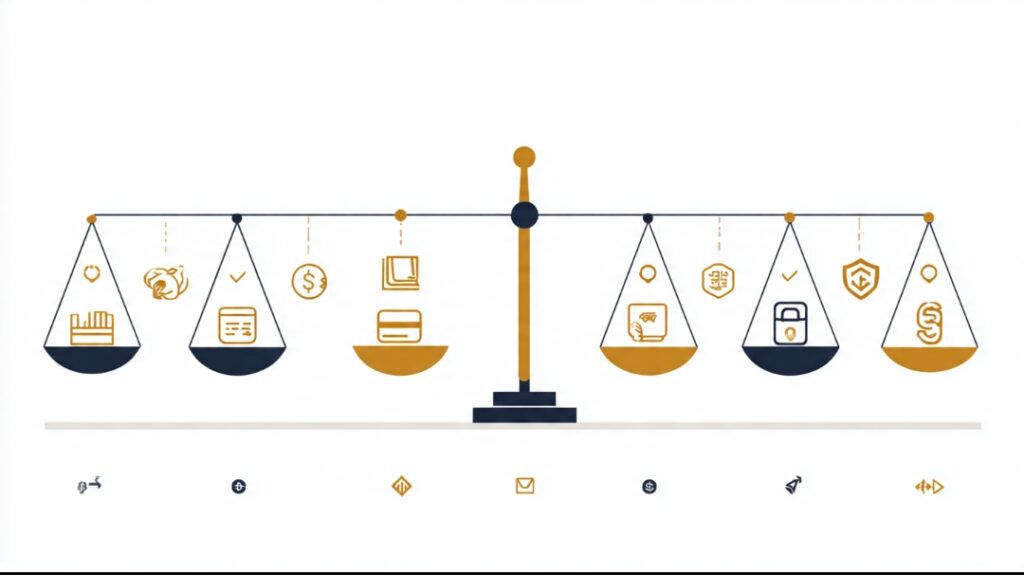
When weighing any payment method, run it through the same five filters every time:
- Fees: the full cost, including transaction charges AND currency conversion — the headline fee is rarely the whole story.
- Speed: how many days until the money is actually usable in your account, not just “sent.”
- Availability: whether the method actually works reliably in your country and your client’s country.
- Currency handling: how exchange rates are applied, since a poor rate can cost more than the visible fee.
- Protection: what happens if a client disputes or disappears — is there any safeguard, or are you fully exposed?
No method wins on all five. A beginner might prioritize protection; an established freelancer with trusted clients might prioritize the lowest fees. The point is to choose consciously based on what matters most for each client relationship.
The Bigger Lesson: Get Paid on Your Terms
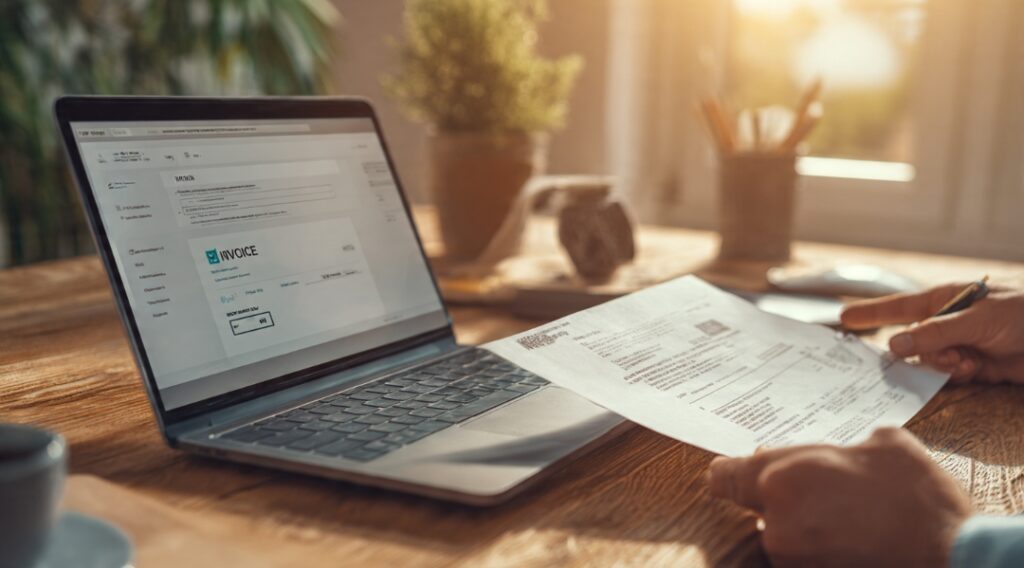
The payment method matters, but so does the structure around it. Protecting yourself from payment problems comes down to a few habits that have nothing to do with which platform you use: send a clear invoice with agreed terms, use a simple written agreement on scope and payment, and for larger projects, take a deposit upfront and bill in milestones rather than everything at the end. These habits do more to guarantee you actually get paid than any single method can. If a client pushes back on reasonable payment terms, knowing how to handle objections without losing the deal keeps you from either caving or losing the work. Getting paid reliably is a core skill of freelancing itself, as fundamental as everything else in the complete beginner’s guide to freelancing — and spreading income across methods and clients is part of building multiple income streams that don’t all depend on one payment channel.
- There’s no single best payment method — only the one that fits your client, your country, and your priorities.
- Compare every option on five filters: fees, speed, availability, currency handling, and protection.
- Bank transfers are reliable and cheap domestically but often slow and costly for international clients.
- Online payment platforms are convenient but fees and possible reversals add up; dedicated international transfer services often win on cross-border cost.
- Marketplace escrow payments offer strong protection at the cost of platform commission — often worth it for beginners.
- Structure protects you as much as the method: clear invoices, written terms, upfront deposits, and milestone billing.
Frequently Asked Questions
What is the best way for a freelancer to get paid?
There’s no universal best method — it depends on whether your clients are local or international, how fast you need the money, and how much you can afford in fees. Compare each option on fees, speed, availability, currency handling, and protection.
How do freelancers get paid by international clients?
Common routes include international wire transfers, online payment platforms, and dedicated cross-border transfer services. The last category is often the most cost-effective for currency conversion, though availability varies by country.
How can I avoid high fees when getting paid as a freelancer?
Look at the full cost including currency conversion, not just the headline transaction fee. Dedicated international transfer services often offer better exchange rates than banks or general payment platforms, and domestic bank transfers are usually cheapest for local clients.
How do I make sure a client actually pays me?
Use structure: send a clear invoice with agreed terms, put scope and payment in a simple written agreement, take a deposit upfront for larger projects, and bill in milestones rather than only at the end. Marketplace escrow systems also confirm funds before you start.
Are marketplace payment systems worth the fees?
For beginners, often yes — the escrow protection confirms the client’s money is available before you do the work, removing the biggest payment risk. As you build trusted direct client relationships, many freelancers move to lower-cost methods.
Can freelancers get paid in cryptocurrency?
Yes, and some do, most practically using stablecoins designed to hold steady value. It offers borderless transfer independent of banking systems, but regulatory treatment varies by country and both parties need to be comfortable with the technology.
Should I take a deposit before starting freelance work?
For larger projects, an upfront deposit is a widely used practice that protects you if a client changes their mind, and billing the rest in milestones reduces the risk of doing all the work before seeing any payment.