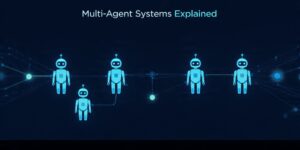
Multi-Agent Systems Explained — How AI Agents Work Together
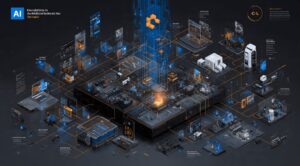
The power is specialization. Instead of one agent doing everything, focused agents each handle what they're best at. They coordinate through communication...
They're not competitors — they're layers. LangGraph is built on the same ecosystem as LangChain, for a harder job. LangChain is for...
An AI agent takes a goal and acts on it autonomously — it doesn't just answer a question, it plans, uses tools,...
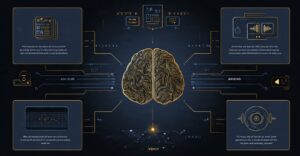
Modal" refers to a mode or type of data. "Multimodal" means handling several types at once, the way humans use multiple senses...
Foundation models power a huge and growing range of real-world tools — from the chatbots and writing assistants you use to specialized...
Traditional AI models were built narrowly — one model trained from scratch for one specific task. Foundation models are built broadly —...
Foundation models are powerful but far from perfect — they carry real limitations and risks that every user should understand. The main...
Open source foundation models are made publicly available for anyone to download, study, modify, and run themselves. Closed models are kept private...
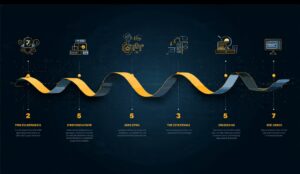
Training a foundation model is a multi-stage journey, not a single event — it moves from gathering data, to pre-training, to refinement,...
The name says it all: it is the "foundation" that countless other AI tools are built on top of, rather than being...