Key Takeaways
- Most freelance projects that go badly went badly from the first conversation — not from something that happened mid-project.
- Whoever asks the right questions controls the direction of the project, not whoever talks the most.
- These five questions work across almost any freelancing field, from design to writing to development.
- A client who can’t answer these questions clearly is often a warning sign worth taking seriously before committing.
- Asking upfront feels slower in the moment but saves far more time than fixing scope confusion later.
- The goal isn’t interrogating the client — it’s making sure both sides are actually picturing the same project.
Every freelancer has a story about a project that started fine and slowly turned into a nightmare — endless revisions, scope that kept expanding, a client who seemed to want something completely different by week three than what was discussed in week one. Almost every one of those stories traces back to the same root cause: nobody asked the right questions before the work started.
Talent and skill matter, but they can’t save a project that was misunderstood from the beginning. The freelancers who consistently avoid these messes aren’t lucky — they’re asking a specific set of questions before agreeing to anything.
Why Discovery Questions Matter More Than Portfolio Quality
A strong portfolio gets you into the conversation. It doesn’t protect you once the project is underway if the client’s actual expectations were never clearly understood. Whoever asks the right probing questions during that first conversation is the one who ends up controlling the direction of the project — not whoever has the most impressive samples to show.
This connects to needs assessment as a discipline in its own right — properly understanding what a client actually needs, as opposed to what they initially say they want, is a skill separate from technical craft, and it’s often the deciding factor in whether a project goes smoothly.
“Whoever asks the better questions usually ends up running the project — even if they never asked to.”
The Five Questions
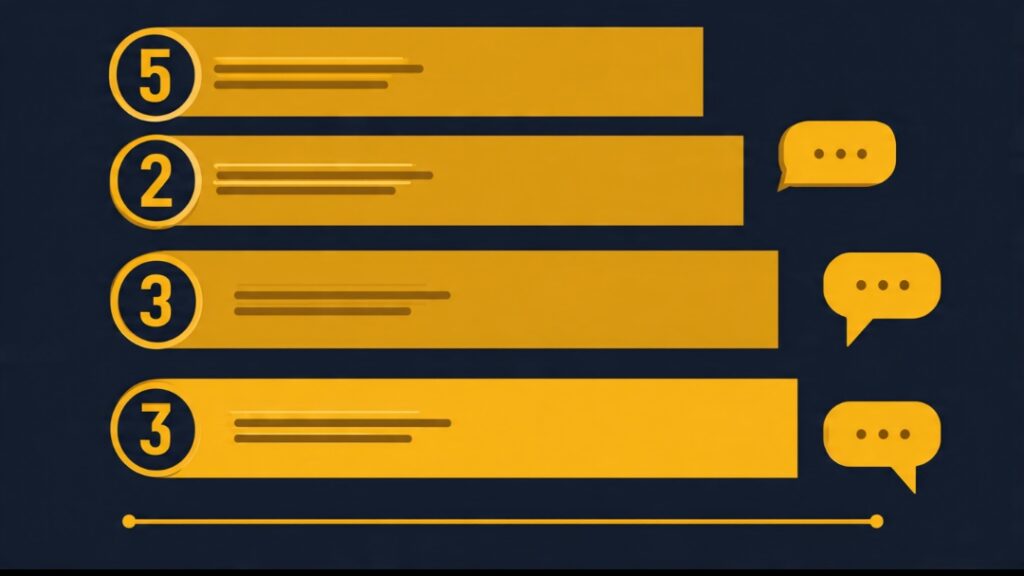
1. What Is Your Long-Term Vision for This?
This question reveals whether you’re building a one-off deliverable or the first piece of something bigger. A logo designed as a standalone request gets approached differently than a logo meant to anchor an entire future brand system. Understanding the long-term vision upfront shapes decisions you’d otherwise have to guess at or redo later.
2. Is This For Yourself, or Is It Meant for Someone Else?
Work commissioned for the client’s own use versus work intended as a gift, a client-facing deliverable, or something representing someone else entirely carries very different expectations. A website built for the client’s personal use has different priorities than one being built on behalf of their own client, where a second layer of approval and preference is now involved.
3. Is This a Regular, Ongoing Need or a One-Time, Special Occasion?
A one-time project and an ongoing relationship require different approaches, pricing structures, and communication cadences. Treating a one-time urgent request the same way you’d treat the start of a long-term retainer — or vice versa — often creates friction that neither side anticipated going in.
4. What Challenges Are You Currently Facing Without This?
This question uncovers the actual pain point driving the request, which is often different from the literal service being asked for. A client asking for “a new website” might really be trying to solve “we’re losing leads because our current site looks unprofessional” — understanding that distinction changes what actually needs to be prioritized in the work.
5. What Are Your Exact Expectations From This?
This is the most commonly skipped question, and it’s the one that prevents the most disputes later. Vague expectations lead to vague deliverables, which lead to dissatisfaction that neither side can clearly articulate or resolve, because nobody defined what “done” or “good” actually meant from the start.
Why Skipping These Questions Feels Efficient But Isn’t
It’s tempting to skip this conversation when a client seems eager and the work sounds straightforward — asking detailed questions can feel like slowing down a deal that’s ready to move. In practice, the opposite is usually true. This is closely related to scope creep — projects that skip clear upfront questions are far more likely to expand quietly beyond what either side originally agreed to, because the boundaries were never actually defined in the first place.
Ten extra minutes of questions at the start regularly saves hours of confused revisions, awkward renegotiation, or an unhappy client later. The time isn’t lost — it’s just moved to the point where it costs the least.
Comparison: Skipping the Questions vs Asking Them Upfront
| Element | Skipping the Questions | Asking Upfront |
|---|---|---|
| Project Start | Feels fast and easy | Slightly slower, more deliberate |
| Mid-Project Clarity | Assumptions surface as misunderstandings | Both sides working from the same picture |
| Scope Management | Quietly expands without clear boundaries | Boundaries defined and easier to reference |
| Client Satisfaction | Often inconsistent, hard to predict | Higher, since expectations were aligned early |
| Freelancer’s Time | Lost later to revisions and confusion | Spent efficiently, less rework |
What Nobody Tells You
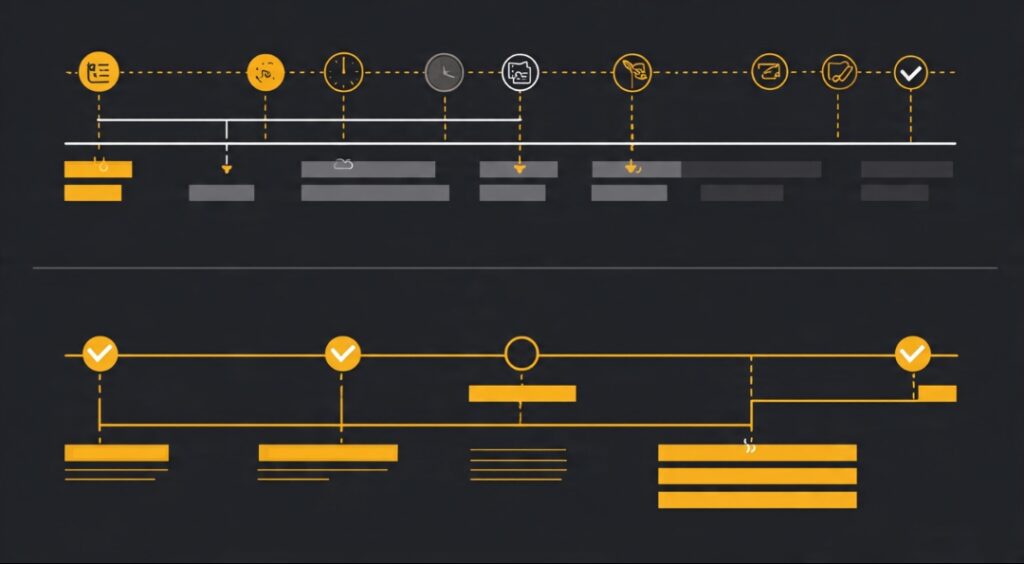
Here’s the part that rarely gets said honestly: a client who can’t answer these five questions clearly isn’t necessarily a bad client, but it is a warning sign worth taking seriously. Sometimes it means they genuinely haven’t thought the project through yet, which is fixable through more conversation. Sometimes it means expectations are so undefined that the project is likely to shift constantly regardless of how well the work itself is executed.
This connects to choosing a freelancing niche deliberately — freelancers working within a clear niche often find these questions easier to ask confidently, because they already understand the common patterns and pitfalls specific to that type of work, rather than approaching every new client conversation from a completely blank slate.
“A client who can’t answer these questions yet isn’t disqualified. But the project needs more conversation before it needs your time.”
How These Questions Improve Active Listening, Not Just Information Gathering
The value of these five questions isn’t purely the information they extract — it’s the active listening they force into the conversation. Asking a genuine follow-up question and actually absorbing the answer, rather than moving straight to a pitch, signals to the client that you’re invested in understanding their actual situation rather than just closing the deal quickly.
This dynamic connects to the roadmap for landing your first client — early client relationships built on genuine understanding tend to produce more repeat work and referrals than ones built purely on a fast, transactional close.
Adapting the Questions to Different Freelancing Fields
These five questions stay largely the same whether you’re a writer, designer, developer, or consultant, but the follow-up depth changes based on the field. A developer might dig deeper into technical constraints after question five, while a writer might spend more time on tone and audience after question four. This flexibility is part of why the framework works broadly, connecting naturally to setting freelancing rates confidently — clearly understood scope, gathered through these questions, makes it far easier to price the work accurately rather than guessing at complexity after the fact.
This same clarity also protects against stakeholder confusion when more than one decision-maker is involved on the client’s side — question two in particular often surfaces whether additional approvals or preferences beyond the immediate contact need to be accounted for.
Building This Into a Consistent Habit
These questions work best when they become a genuine habit rather than an occasional formality used only for larger projects. This connects to the discipline behind manual outreach and building a freelancing career whether through LinkedIn or a platform like Fiverr — consistency in how you start every client relationship, regardless of project size, is what actually compounds into a reputation for reliable, well-scoped work over time.
Now It’s Your Move
- Before your next project conversation, prepare all five questions in advance rather than improvising them mid-call.
- Actually listen to the answers and take notes, rather than treating the questions as a formality to get through.
- Pay attention when a client struggles to answer clearly — treat it as useful information, not an inconvenience.
- Use the answers to shape your proposal and pricing, rather than quoting before you fully understand the scope.
- Adapt the follow-up depth to your specific field, while keeping the core five questions consistent.
- Make this a habit for every project, regardless of size, not just the larger or higher-stakes ones.
- Review a recent difficult project and identify which of these five questions, if asked clearly upfront, might have prevented the issue.