Key Takeaways
- Emotional spending is buying to change how you feel, not to meet an actual need — the purchase is a painkiller for an emotion.
- The hit is in the buying, not the having. The thrill lives in anticipation, which is why it fades the moment the item arrives.
- It runs as a loop: a feeling triggers an urge, the purchase brings brief relief, then a comedown and guilt arrive — and that guilt becomes the next trigger.
- Willpower fails in the moment because you’re not making a financial decision, you’re medicating a feeling.
- The void can’t be filled with objects. The emotion you were avoiding is still there afterward, now with less money and more guilt.
- You break the loop by naming the feeling, adding a pause, and meeting the real need a different way.
It’s 11pm. The day was rough — a hard conversation, a pile of stress, a low you can’t quite name. You’re lying in bed with your phone, and almost without deciding to, you’re in an app, filling a cart. Not because you need anything. Because adding things to that cart, watching the total climb, imagining the package arriving — it feels good. For a few minutes, the bad feeling lifts. You check out. A small wave of relief. And then, a little later, a quieter feeling creeps in: why did I just do that?
If that scene is familiar, you’re not weak, broken, or bad with money. You’re human, and you’ve just witnessed one of the most universal financial behaviors there is: emotional spending. It’s the reason perfectly intelligent people, who know exactly what a budget is, still wake up to impulse purchases they can’t explain. Because those purchases were never about the stuff. They were about the feeling — and until you understand that, no budget on earth will save you, because you’ll keep trying to solve an emotional problem with a financial tool.
So let’s go underneath the behavior and look at what’s actually happening when you buy things to feel better — the psychology of it, the loop that traps you, and the way out that doesn’t rely on white-knuckle willpower.
Emotional Spending Is Medicating a Feeling With a Transaction
Here’s the cleanest definition. Needs-based spending is buying something because you require it — food, a tool, a genuine want you’ve considered. Emotional spending is different: it’s buying to change your emotional state. The purchase isn’t really about acquiring the object; it’s about escaping a feeling — stress, sadness, boredom, emptiness — or amplifying a good one. The object is almost incidental. What you’re actually purchasing is a mood change.
This is why it’s sometimes called retail therapy — and the word “therapy” is doing a lot of honest work in that phrase. People reach for shopping the way they might reach for any other quick comfort: to feel better, fast. The trouble is that it’s therapy that treats nothing and bills you for the appointment. The relief is real but temporary, and the underlying feeling it was meant to fix is left completely untouched, waiting for you the moment the high wears off.
“You’re not buying the thing. You’re buying a few minutes of feeling differently. And the price of those few minutes is everything the thing costs — plus the feeling, still waiting for you when they’re up.”
Once you see emotional spending as medication rather than shopping, everything about it starts to make sense — including why it’s so hard to stop, why the items so often go unused, and why “just be more disciplined” has never worked for anyone. You can’t discipline your way out of a behavior whose real job is to manage your emotions. You have to address what it’s actually doing.
The Loop That Traps You
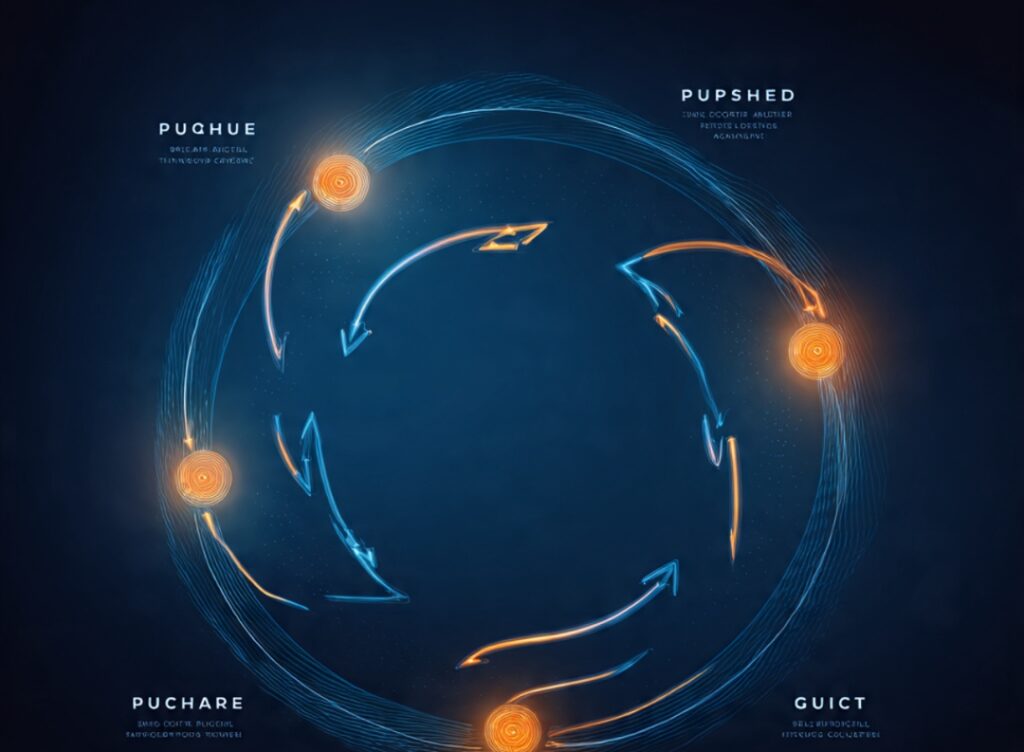
Emotional spending isn’t a one-off event. It’s a self-feeding cycle, and the cycle is the whole reason it repeats no matter how many times you swear it won’t. It runs in five stages:
1. The trigger. A feeling arrives — stress, boredom, loneliness, sadness, or even a high you want to extend, like celebration. Something inside needs managing.
2. The urge. Your brain reaches for the fastest known relief. It has learned that buying produces a hit of good feeling, so it points you toward a purchase. The urge feels like wanting a specific thing, but underneath, it’s wanting the feeling the thing promises.
3. The purchase. You buy. And in this moment, it genuinely works — there’s a real lift, a rush of relief or excitement. This is the payoff that teaches your brain to do it again.
4. The comedown. The lift fades, usually fast. The object arrives and feels strangely flat. The emotion you were escaping quietly returns, because it was never addressed — you just stepped around it for a while.
5. The guilt. Now a second feeling lands on top of the first: regret, shame, the “why did I do that again.” And here’s the cruel twist that locks the loop shut — that guilt is itself a painful feeling. Which means it becomes a fresh trigger, sending you right back to stage one, reaching for the only relief your brain trusts. The cure becomes the cause.
The Secret: The Hit Is in the Buying, Not the Having
Here’s the piece that explains why emotional spending never satisfies you, no matter how much you buy. The pleasure is not in owning the item. It’s in anticipating it. The brain’s reward chemistry — driven heavily by dopamine — fires hardest not when you receive a reward, but when you’re expecting one. This quirk sits at the heart of behavioral economics, the study of why people make money decisions that defy pure logic. The hunting, the choosing, the clicking “buy,” the imagining of the package on your doorstep: that’s where the chemical hit lives. The moment of actual arrival is almost an anticlimax, which is exactly why it so often is one.
This is the engine of the whole trap. Because the reward is in the anticipation, the having can never deliver what the wanting promised. The object shows up and the magic has already evaporated — it discharged during the buying. So your brain, still carrying the original unaddressed feeling, concludes that this object wasn’t quite the right one, and goes looking for the next anticipation hit. You’re not chasing things. You’re chasing a chemical moment that, by its very nature, dies on delivery. That’s why the closet fills with barely-used purchases and the feeling that drove them never gets full.
“The thrill was never in the box. It was in the wanting. Which is why opening the box always feels like the moment the magic quietly leaves the room.”
This same anticipation engine is what powers the spending spiral we mapped in the Diderot Effect — each new thing promises a feeling, delivers a brief one, and points you toward the next. Emotional spending is that mechanism running on your moods instead of your possessions.
The Triggers Hiding Behind Your Purchases
Emotional spending feels random, but it almost never is. It’s reliably set off by a handful of specific emotional states, and learning to recognize yours is half the battle:
Stress and overwhelm. Buying provides a small, controllable sense of action and reward when everything else feels out of control. A purchase is one thing you can decide and complete.
Boredom and emptiness. Shopping fills time and gives the brain something to chase. The hunt becomes entertainment, and the cart becomes a way to feel something when you feel nothing.
Sadness and loneliness. Buying offers comfort and a hit of pleasure when you’re low, and the anticipation of a package can feel like something to look forward to when little else does.
Celebration and reward. Not all triggers are negative. “I deserve this” after a win is emotional spending too — using a purchase to mark or extend a good feeling, which is how good days quietly become expensive ones.
Comparison and inadequacy. Seeing others’ lives and possessions sparks a feeling of falling behind, and buying becomes a way to soothe that sting — purchasing your way back to feeling “enough.” This is the same emotional current that drives lifestyle creep, the pillar of this series: spending to manage how you measure up rather than what you actually need.
What Nobody Tells You: The Painkiller Makes the Disease Worse
Here’s the truth that the whole “treat yourself” culture carefully avoids. Emotional spending isn’t just an ineffective fix — it actively deepens the problem it claims to solve. Think about what you’re left with after the cycle completes. The original feeling you were trying to escape? Still there, untouched, because a transaction can’t resolve an emotion. But now you’ve added two new weights on top of it: the guilt of having spent, and the financial stress of having less money. You started with one bad feeling and manufactured two more.
This is what makes it so different from a real solution. A genuine fix for stress, sadness, or boredom leaves you better afterward. Emotional spending leaves you worse — emotionally and financially — every single time, while feeling in the moment like help. It’s a painkiller that numbs the symptom for a few minutes and quietly worsens the underlying condition, which guarantees you’ll need it again sooner. That’s not therapy. That’s a dependency wearing therapy’s name tag.
And there’s a deeper truth underneath all of it: the void was never object-shaped. Whatever the purchase is reaching for — comfort, control, connection, worth, peace — cannot be delivered in a package, because it was never a material lack in the first place. It’s an emotional need wearing a shopping disguise. You can buy a thousand things and the need stays exactly as empty, because you keep mailing objects to an address where a feeling lives. The closet fills. The hole doesn’t.
Stretch this across years and the cost is staggering — not just emotionally, but in raw lost wealth. Even a modest $150 a month of emotional purchases, redirected instead and invested at a steady 7%, would grow to roughly $78,000 over 20 years — pure illustrative arithmetic, not a promise. That’s the literal price of a feeling you never actually fixed, paid in a future you’ll never get back. Protecting that money is exactly why a system that saves before you can spend, like the one in the reverse-budgeting approach, beats any amount of in-the-moment restraint.
Why Willpower Loses in the Emotional Moment
People keep trying to beat emotional spending with discipline, and they keep losing — for a reason that isn’t their fault. In the trigger moment, you are not making a financial decision. You’re not weighing cost against value, or thinking about your goals. You’re medicating. The part of your brain reaching for relief from a painful feeling is not the same calm, rational part that made your budget, and it isn’t interested in your budget. It wants the feeling to stop, now. The same hijacking of decisions by emotion is what quietly wrecks investors too, as we showed in how emotional interference kills compound growth.
Asking willpower to win that moment is like asking someone in genuine pain to simply ignore it through sheer resolve. It works occasionally, and it fails the rest of the time, and every failure adds a layer of guilt that makes the next moment harder. This is why “try harder” is such useless advice here. The fight was lost before it began, because you brought a financial argument to an emotional emergency. The same reason willpower can’t out-muscle the structural pull we covered in Parkinson’s Law of Money applies double when emotion is driving: you don’t win these by resisting harder, you win by changing the setup so the fight doesn’t happen.

How to Break the Emotional Spending Loop
You don’t beat this by becoming stricter. You beat it by interrupting the loop and meeting the real need a better way. Here’s the system that works.
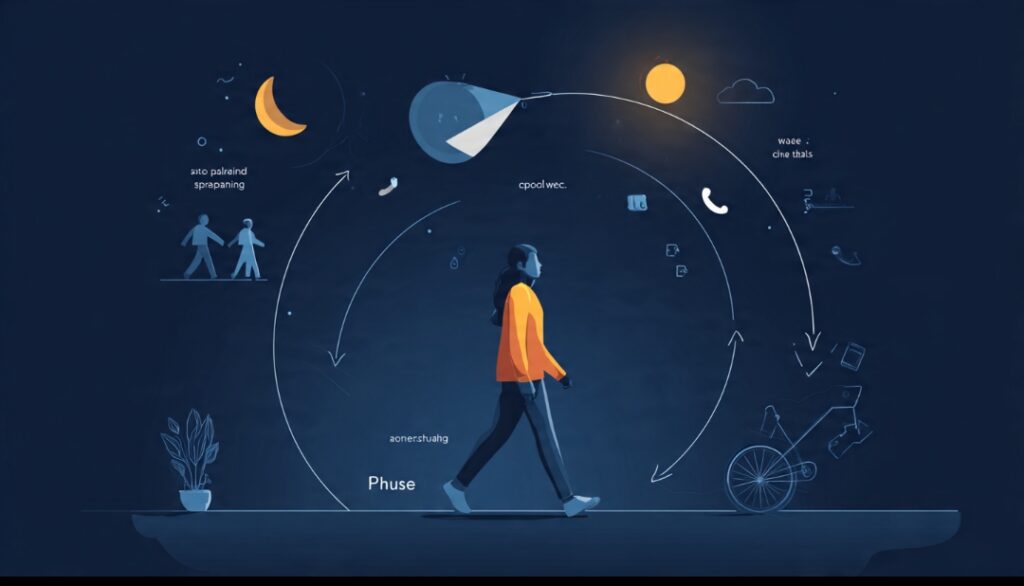
1. Name the feeling before the purchase. The single most powerful interruption is to pause and ask: “What am I feeling right now?” The whole loop runs on autopilot, with the emotion disguised as a desire for a thing. The instant you name the actual feeling — “I’m stressed,” “I’m lonely,” “I’m bored” — you drag the process into the light, and a named emotion loses much of its power to drive you blindly. You can’t manage what you won’t name.
2. Insert a deliberate pause. The urge is intense but short-lived. Put a rule between the urge and the purchase: a 24-hour wait on anything bought for emotional reasons, or even a 10-minute pause where you do nothing. The anticipation hit fades surprisingly fast once you stop feeding it, and most emotional purchases simply die in the waiting. The pause isn’t denial — it’s letting the wave pass.
3. Add friction to the easy buys. Emotional spending thrives on speed — one-click checkout, saved cards, the app a thumb-tap away. Every barrier you add is a place where the loop can break. Remove saved payment details, log out of shopping apps, delete the ones that hurt you most. Make buying just inconvenient enough that the rational part of you has time to catch up. The same frictionless danger drives the late-night cart that drives the small daily habits that compound in either direction.
4. Find what the feeling actually needs. Since the purchase is a stand-in for an unmet emotional need, ask what would genuinely address it. Stressed? The real fix might be rest, a walk, or talking to someone. Lonely? Reaching out to a person, not a package. Bored? A real activity, not a cart. Build a short list of free or cheap responses to your common triggers, so that when the urge hits, you have somewhere better to point it. This is part of building genuine emotional resilience, which we go deep on in our guide to real mental toughness.
5. Remove the triggers you can. You can’t control every feeling, but you can control much of your exposure. Unfollow the accounts that spark comparison and inadequacy. Turn off the sale notifications engineered to manufacture urgency. Avoid browsing apps when you’re tired, low, or emotional — the exact states where you’re most defenseless. You don’t have to win the fight if you arrange your life so the fight happens far less often.
| Needs-based spending | Emotional spending |
|---|---|
| Driven by an actual need or considered want | Driven by a feeling you want to change |
| Planned, calm, thought-through | Sudden, urgent, on autopilot |
| Satisfaction lasts after the purchase | Thrill fades almost immediately |
| The item gets used and valued | The item often goes unused |
| Leaves you content | Leaves you with guilt and the same feeling |
One honest note: if your spending ever feels genuinely out of your control — if it’s compulsive, hidden from people you love, or causing real harm despite your best efforts — that’s worth taking seriously, and it’s not a character flaw. Compulsive buying is a real pattern that many people work through with support, and talking to a professional or someone you trust is a sign of strength, not weakness.
Now It’s Your Move
Emotional spending will never fully disappear, because you’ll never stop having feelings. The goal isn’t to become a robot who feels nothing and buys nothing — it’s to stop handing your wallet to your worst moments. Once you can see the loop running, you gain the one thing it depends on you not having: a choice. The trigger still comes, but now you get to decide whether to feed it or interrupt it.
- Catch your pattern. For one week, note what you were feeling right before any unplanned purchase. The trigger that shows up most is the one to target first.
- Install the pause. Set a personal rule — 24 hours, or even ten minutes — between any emotional urge and any purchase. Let the wave pass before you act.
- Build friction now. Today, remove saved cards, log out of shopping apps, and turn off sale notifications. Make the easy buy a little harder.
- Make a trigger-response list. Write down a free or cheap action for each of your common feelings, so the urge has somewhere better to go than a checkout page.
- Redirect one rescued purchase. The next time you successfully don’t buy, move that exact amount into savings or investments. Turn a broken loop into quiet wealth.
The cart at 11pm was never really about the things in it. It was about how you felt, and the only relief you knew how to reach. Now you know what’s actually happening — and that knowledge is the first thing in a long time that can genuinely fill the gap the buying never could.
Emotional spending is buying things to change how you feel rather than to meet a genuine need. Instead of acquiring an object you require, you’re really purchasing a temporary mood change — escaping stress, sadness, boredom, or emptiness, or extending a good feeling. The object is almost incidental; what you’re actually buying is a brief emotional lift, which is why the purchases often go unused and the underlying feeling stays unresolved.
The good feeling comes mainly from anticipation, driven by the brain’s reward chemistry, which fires hardest when you expect a reward rather than when you receive it. The act of choosing and buying delivers the hit, so the thrill fades once the item arrives. Afterward, the original feeling you were avoiding returns untouched, and guilt about the spending is added on top, which is why emotional purchases often leave you worse than before.
Common triggers include stress and overwhelm, boredom and emptiness, sadness and loneliness, celebration or the feeling of deserving a reward, and comparison or inadequacy after seeing others’ lives. Each of these is an emotional state that the purchase attempts to manage. Because the triggers are predictable for most people, learning to recognize your own most frequent one is a major step toward interrupting the behavior before it runs on autopilot.
Because in the trigger moment you aren’t making a financial decision, you’re medicating a painful feeling, and the emotional part of your brain driving the urge isn’t interested in budgets or goals. Asking willpower to win is like asking someone in real discomfort to ignore it by resolve alone, which works occasionally and fails often. The reliable approach is to change the setup, by adding pauses and friction and meeting the real need, so the fight happens far less often.
Start by naming the feeling out loud, which breaks the autopilot, then insert a deliberate pause of at least a few minutes or a day before buying, since the urge fades quickly. Add friction by removing saved cards and logging out of shopping apps, identify what the feeling actually needs such as rest or connection, and remove triggers like sale notifications and late-night browsing. The aim is to interrupt the loop and redirect the need, not to rely on raw discipline.
An occasional planned treat is not the problem; the danger is relying on buying as a regular way to manage emotions. Because the relief is temporary and the underlying feeling is never addressed, habitual retail therapy tends to add guilt and financial stress on top of the original emotion, making things worse over time. It functions like a painkiller that numbs a symptom briefly while quietly worsening the condition, which is why it so often needs repeating.
It is worth taking seriously when spending feels genuinely out of your control, is hidden from people close to you, or causes real financial or personal harm despite repeated efforts to stop. This pattern, sometimes called compulsive buying, is recognized and not a character flaw, and many people work through it successfully with support. Speaking to a qualified professional or a trusted person is a sign of strength, and reaching out early makes the pattern much easier to address.
Disclaimer: This article is for educational and informational purposes only and does not constitute financial, investment, or psychological advice. The numerical examples shown are simplified arithmetic illustrations, not predictions or guarantees of any specific outcome. If spending or related feelings ever feel beyond your control, consider reaching out to a qualified professional. Always do your own research and consult an appropriate professional before making significant financial decisions.