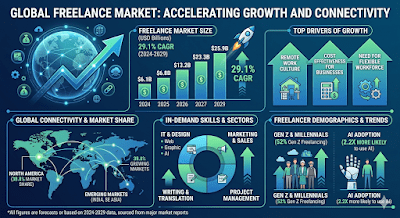
Are you dreaming of breaking free from the traditional 9-to-5 grind? The freelance economy is booming in 2026, with 1.57 billion freelancers worldwide and strong year-over-year growth in key markets. The best part? You don’t need years of experience or a fancy degree to get started. This comprehensive guide will show you exactly how to launch your freelancing career from scratch.

What is Freelancing and Why Start Now?
A freelancer is a self-employed professional who offers their skills and services to clients without being tied to a single employer. Unlike a traditional job, freelancing allows you to manage your time, workload, and income completely. You choose when to work, where to work, and which projects to take on.
In 2026, the global freelance market is valued at $9.91 billion and projected to double by 2030. According to Statista, the gig economy continues to grow at an unprecedented rate, driven by remote work normalization and AI-powered productivity tools. Whether you’re looking to escape corporate life, earn extra income, or build a location-independent lifestyle, there has never been a better time to start.
The Reality Check: What You Need to Know Before Starting
Let’s be honest — freelancing isn’t all sunshine and rainbows. You are not inexperienced. You are accomplished. What you lack isn’t skills — it’s a track record of selling your skills independently.
Benefits of Freelancing:
- Complete control over your schedule and workload
- Ability to work from anywhere in the world
- Unlimited income potential
- Choose projects that align with your interests
- No office politics or commute
Challenges to Consider:
- Inconsistent income, especially in the beginning
- No employer benefits such as health insurance or paid leave
- You handle all taxes and business expenses
- Finding clients requires ongoing effort
- Requires self-discipline and time management
You may encounter periods with no clients, especially in the beginning. After I completed my first order on an online marketplace, it took me 4 months to get my second order. It takes real time and consistent effort to build a steady flow of work.

Step 1: Identify Your Marketable Skills
The first crucial step is discovering what you can offer. Don’t overcomplicate it. You don’t need to master ten skills to start freelancing. Pick one thing you can do decently well — not perfectly.
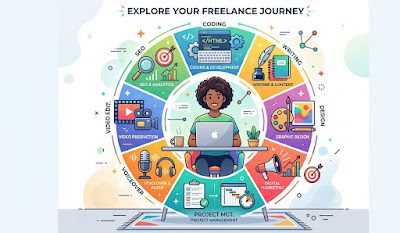
High-Demand Freelance Skills in 2026:
Tech and Development:
- AI-related skills dominate: prompt engineering (+240% since ChatGPT launch), AI content editing (+180%), AI tool training (+165%)
- Web development — React, JavaScript, Python
- Mobile app development
- Data analysis and data science
Creative Services:
- Content writing and copywriting
- Graphic design and UI/UX design
- Video editing and production
- Social media management — you do not require formal training to create attractive social media posts
Business Support:
- Virtual assistance
- Digital marketing and SEO
- Project management
- Customer service
- Bookkeeping and accounting
Assessing Your Current Skills
Consider your soft and hard skills — sending emails, managing a social media profile, resolving customer issues. All of these are valuable freelancing skills that can be converted into paid work.
Ask yourself:
- What tasks do people often ask you for help with?
- What skills have you developed in previous jobs?
- What hobbies or interests could translate into services?
- What problems can you solve for others?
Step 2: Choose Your Niche and Specialize
Clients increasingly look for problem-specific expertise instead of general skills. Whether it is sustainable design, blockchain auditing, UX research, or AI ethics, specialists are in higher demand and are often paid significantly better.
Specialise ruthlessly: pick a niche and become known for it. “I do marketing” isn’t positioning. “I help SaaS companies reduce churn through data-driven email campaigns” is. The more specific your expertise, the less you compete on price.
Examples of Profitable Niches:
- Email marketing for e-commerce brands
- WordPress website development for small businesses
- Social media management for real estate agents
- Content writing for SaaS companies
- Logo design for startups

Step 3: Learn and Develop Your Skills
Even if you have basic skills, continuous learning is essential. According to Coursera, freelancers who invest in skill development earn on average 40% more than those who do not. Whether you have prior experience or not, it is always a good idea to invest in yourself.
Free Learning Resources:
- YouTube tutorials
- Free courses on Coursera, edX, and Khan Academy
- Google Digital Garage for digital marketing
- freeCodeCamp for programming
- Canva Design School for graphic design
Paid Courses Worth Considering:
- Udemy — affordable courses on almost any skill
- LinkedIn Learning
- Skillshare
- Industry-specific certifications in your niche
Pro Tip: Don’t wait until you’re perfect to start. You don’t need a fancy portfolio and years of experience to land your first gig. I didn’t have either when I started.

Step 4: Build Your Portfolio — Even With No Experience
Your portfolio shows new clients what you are capable of, so they feel comfortable hiring you. According to Forbes, a strong portfolio is the single most important factor in landing freelance clients as a beginner.
How to Create Portfolio Samples Without Clients:
- Design fake logos or websites for imaginary companies
- Write sample blog posts on topics in your niche
- Create social media campaigns for well-known brands for practice only
Offer Free or Discounted Services:
- Help local businesses or nonprofits
- Reach out to friends and family
- Collaborate with other beginners
- Complete projects in exchange for testimonials and reviews
Use Real-World Scenarios:
- Redesign poorly designed websites — show before and after
- Rewrite weak marketing copy you find online
- Create better versions of existing designs
Contribute to Open Source or Community Projects:
- GitHub for developers
- Behance for designers
- Medium for writers

Step 5: Choose the Right Freelance Platforms
The global freelance platform market is projected to reach $12.7 billion by 2028. For beginners, choosing the right platform can make the difference between struggling to find work and building a thriving career.
Best Freelance Platforms for Beginners in 2026:
1. Upwork
- One of the largest freelance marketplaces, connecting over 18 million freelancers with clients worldwide
- Fee Structure: 20% on first $500 earned with a client, 10% on earnings between $500-$10,000, 5% above $10,000
- Best For: Wide variety of skills and long-term client relationships
2. Fiverr
- Flat 20-23% fee including processing
- Great for packaged services and quick gigs
- Easy to set up and start immediately
- Best For: Beginners who can create clear service packages
3. Freelancer.com
- Auction-style bidding connecting over 50 million users worldwide, supporting 40+ languages
- 10% project fee
- Best For: International opportunities and competitive bidding
4. Commission-Free Platforms — Jobbers.io, Contra, Braintrust
- 0% commissions, enabling direct negotiations and full earnings retention
- Best For: Maximizing earnings without platform fees
Multi-Platform Strategy:
Start with commission-free platforms like Jobbers.io to build your portfolio while keeping maximum earnings. Expand to established platforms once you have built confidence and portfolio pieces.
Step 6: Create a Winning Profile
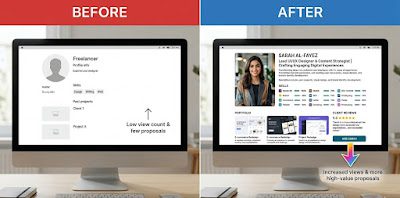
A complete, detailed profile receives 40% more client inquiries than a basic one. Your profile is your digital storefront — make it count.
Profile Optimization Checklist:
Professional Photo:
- Use a high-quality, friendly headshot
- Dress appropriately for your industry
- Smile and look approachable
Compelling Headline:
- Be specific about what you do
- Include keywords clients search for
- Highlight your unique value
- Example: “I Help E-commerce Brands Increase Sales Through Strategic Email Marketing”
Detailed Description:
- Start with a hook that addresses client pain points
- Explain what you do and how you help
- Showcase your expertise and experience
- Include relevant keywords naturally
- End with a clear call-to-action
Portfolio Samples:
- Upload your best 3-5 work samples
- Write descriptions explaining the project and results
- Show variety while staying within your niche
Step 7: Set Your Prices Strategically
Pricing is one of the biggest challenges for new freelancers. Browse platforms and see what others in your niche are charging. Since you are new, price slightly below experienced freelancers without making yourself seem cheap. According to Upwork’s pricing guide, freelancers in the U.S. earn an average of $47.71 per hour.
Pricing Models:
- Hourly: Good for ongoing or unpredictable work — $15 to $200 per hour depending on skill
- Project-Based: Fixed price for defined deliverables
- Retainer: Monthly fee for ongoing services
- Package Pricing: Bundled services at set prices
Your pricing can be fluid. If you start booking up, raise your rates. If you have a slower month, consider adjusting until you secure more clients.

Step 8: Write Winning Proposals
Your proposal can make or break your chances of landing a job, especially as a beginner.
Proposal Writing Formula:
1. Personalized Greeting:
- Address the client by name if possible
- Reference something specific from their job posting
2. Show You Understand Their Problem:
- Restate their main challenge or goal
- Demonstrate you read the entire job post
3. Present Your Solution:
- Explain how you will solve their problem
- Be specific about your approach
- Keep it concise and focused
4. Highlight Relevant Experience:
- Even if you are new, relate any similar experience
- Mention relevant skills and training
- Include portfolio samples
5. Professional Closing:
- Clear call-to-action
- Availability and timeline
- Professional sign-off
Pro Tips: Keep proposals under 300 words. Proofread carefully. Customize every proposal — never copy-paste. The way you communicate in emails and messages matters more than anything else.

Step 9: Land Your First Clients
Getting your first clients is often the hardest part, but there are proven strategies that work.
1. Leverage Your Network: Reach out to people you know and tell them you have started freelancing. Ask if they might know anyone who could benefit from your services. Personal referrals dramatically increase your chances of landing work without prior experience.
2. Start with Small Projects: Take on smaller, easier jobs to build reviews. Focus on quality delivery rather than the paycheck. You cannot start earning top rates when you are just beginning — build a portfolio first.
3. Use Social Media: Use LinkedIn to reach out to old employers and coworkers. Post on your personal Facebook page. Let your network know about your new services. One of the best strategies for beginners is simply getting the word out.
4. Direct Outreach: Identify businesses that could use your services. Send personalized emails explaining how you can help. Follow up professionally.
5. Network Online and Offline: Attend local business events, Chamber of Commerce meetings, and industry meetups. Even a single connection at an event can open doors that months of online applications cannot.

Step 10: Deliver Exceptional Work and Build Your Reputation
Once you land clients, your reputation becomes your most valuable asset. As Harvard Business Review notes, freelancers who consistently exceed client expectations earn 3x more repeat business than those who simply meet expectations.
1. Over-Communicate: Respond to messages promptly. Update clients on progress regularly. Ask questions when unclear. Set realistic expectations upfront.
2. Meet Deadlines: Deliver on time or early. Build buffer time into your estimates. If delays occur, communicate immediately — do not wait.
3. Exceed Expectations: Deliver more value than promised. Pay attention to details. Be professional in all interactions. Request feedback and implement it.
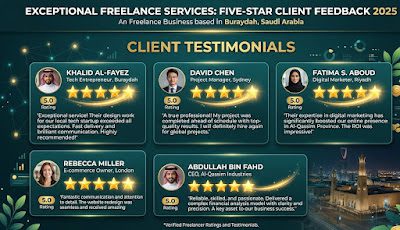
4. Request Testimonials: Ask satisfied clients for reviews. Make it easy by providing a template. Display testimonials prominently on your profile.
5. Maintain Relationships: Follow up after project completion. Offer additional services when appropriate. Stay in touch periodically — a warm existing relationship is easier to convert than a cold new prospect.
Managing Your Freelance Business
Time Management:
Freelancers now work an average of 43 hours per week, with 54% putting in five days. Structure your time intentionally:
- Set regular working hours
- Use time-tracking tools like Toggl or Clockify
- Batch similar tasks together
- Include breaks and self-care
Financial Management:
- Open a separate business bank account
- Track all income and expenses
- Set aside 25-30% for taxes
- Consider accounting software like FreshBooks or Wave
- Build an emergency fund of at least 3 months expenses
Essential Tools:
- Project Management: Trello, Asana, or Monday.com
- Time Tracking: Toggl, Harvest, or Clockify
- Invoicing: FreshBooks, Wave, or QuickBooks
- Communication: Zoom, Slack, Google Meet

Scaling Your Freelance Business
Once you have established a client base, think about sustainable growth:
1. Raise Your Rates: Increase prices as you gain experience. Position yourself as a premium provider. Focus on value delivered, not just time spent.
2. Create Passive Income: Develop digital products — templates, courses, ebooks. Create subscription-based services. License your work.
3. Build Systems: Create templates for common tasks. Automate repetitive processes. Develop standard operating procedures that reduce delivery time.
4. Specialize Further: Become the go-to expert in a micro-niche. According to LinkedIn, clients prefer niche expertise in 68% of cases, leading to 40% higher earnings for specialists.
5. Expand Your Services: Offer complementary services. Create package deals. Partner with other freelancers to take on larger projects.

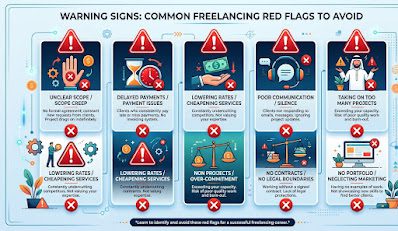
Common Mistakes to Avoid
1. Underpricing Your Services: Many beginners think low prices attract clients, but it often signals low quality and attracts problem clients.
2. Quitting Your Job Too Early: Don’t make rash decisions. Do a trial run part-time first. Build a client base and financial cushion before leaving traditional employment.
3. Poor Communication: Not responding promptly or clearly leads to misunderstandings and lost clients. Communication quality is more important than almost anything else.
4. No Contracts: Always use written agreements to protect both you and your client. Even a simple one-page agreement prevents most disputes.
5. Neglecting Marketing: Even when busy, continue marketing to ensure a steady pipeline of work. The feast and famine cycle is the most common freelancer problem — consistent marketing prevents it.
The Future of Freelancing in 2026
The freelance landscape is evolving rapidly, driven by changing business demands, AI advancements, and economic shifts.
1. AI Integration: AI tools now sit at the center of freelance workflows. Freelancers who adopt AI report significantly faster turnaround times without sacrificing quality. The more familiar you are with AI tools and automation, the more competitive you become.
2. Specialization Over Generalization: The demand for generalists is declining while specialists command premium rates.
3. Remote Work Normalization: Remote freelance postings increased 22% over six months, with communications, sales, and healthcare seeing 30% or more growth.
4. Younger Workforce: 53% of Gen Z freelancers work full-time hours on freelance projects, abandoning traditional nine-to-five employment entirely.

Your Action Plan: Start Today
- This Week: Identify your marketable skill and research your niche
- Week 2: Create 2-3 portfolio samples and learn the basics of your chosen platform
- Week 3: Build your profile on 2-3 freelance platforms
- Week 4: Send your first 10 proposals
- Month 2: Deliver your first project and request testimonials
- Month 3-6: Refine your approach, raise your rates, and build momentum

Frequently Asked Questions
Q: How much can I realistically earn as a beginner freelancer?
Beginners typically earn $15-$30 per hour, varying by skill and niche. Fields like AI, data analytics, and creative strategy are among the highest-paying. As you gain experience, your rates increase significantly.
Q: How long does it take to get the first client?
This varies widely. Some freelancers land their first client within days, others take several weeks or months. Consistency in applying, networking, and improving your profile is the key variable.
Q: Do I need a business license to freelance?
Requirements vary by location and income level. Check your local regulations. Many freelancers start as sole proprietors and formalize later as they grow.
Q: Can I freelance while working a full-time job?
Absolutely. Many successful freelancers start part-time. Ensure you are not violating any employment agreements and manage your time effectively before making the full transition.
Q: What if I don’t get any responses to my proposals?
This is common for beginners. Review and improve your profile, customize your proposals more, consider adjusting your rates, and apply to more appropriate projects. Persistence is the differentiator.
Q: Is freelancing stable enough to replace a full-time job?
An Upwork survey reveals 75% of freelancers match or exceed full-time earnings. However, build a solid client base and financial cushion — ideally 6 months of expenses — before leaving traditional employment.
Starting a freelance career with no experience can feel like stepping into the unknown. Think of it as a learning curve, not a barrier. Do the best you can with what you have at the time and keep moving forward.
Many freelancers start with basic skills and grow by working on small projects. Clear communication, consistency, and a willingness to learn matter more than prior experience.
The freelance economy is thriving and there is room for you. The future of work is here — and it is increasingly freelance.
About the Author
Shurah Beel Hamid is a business enthusiast, active trader, and content creator who transformed his life by training his brain from an electrician’s mindset to an entrepreneur’s mindset. His expertise lies in practical brain training for entrepreneurship, trading psychology, compounding strategies, and elite mindset development. He shares his raw, unfiltered journey — from suicidal thoughts to strategic patience, from blowing trading accounts to consistent profitability — to provide actionable insights for those tired of theoretical advice and ready for real change. His writing combines hard-won experience, neuroscience-backed techniques, and relentless optimism.
This article was last updated in May 2026 to reflect the latest freelancing trends, platforms, and opportunities.
Disclaimer: This article is for educational purposes only. Results vary based on individual effort, skill level, and market conditions.