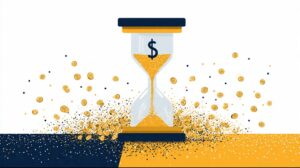
There’s an old proverb about land that quietly explains almost everything about who ends up wealthy and who ends up struggling. It goes like this: to buy a piece of land, you might have to tighten your belt and go hungry for two years — but once you own it, you’re fed for the rest of your life. And to sell that same land, you get to live in luxury for about two years — after which you go hungry for the rest of your life. Same two years. Opposite lifetimes. The entire difference between building wealth and slowly losing it is hidden inside that single trade-off, and most people, without ever realizing it, choose the wrong side of it again and again.
The Proverb, and Why It’s Really About Everything
On the surface it’s advice about property. Underneath, it’s the deepest rule in personal finance: sacrifice in the short term to build assets, or indulge in the short term by consuming them — and your entire future depends on which one you pick.
Buying the land is the hard path. You give up comfort now, you endure a stretch of genuine difficulty, and in exchange you acquire something that feeds you indefinitely. Selling the land is the easy path. You convert something that would have fed you forever into a short burst of pleasure, and then you’re left with nothing but the memory of it. The proverb isn’t really about land at all. It’s about the choice every person faces constantly, between their present self and their future self — the core of delayed gratification, which turns out to be one of the strongest predictors of whether someone builds wealth or never does.
The Asymmetry That Changes Everything
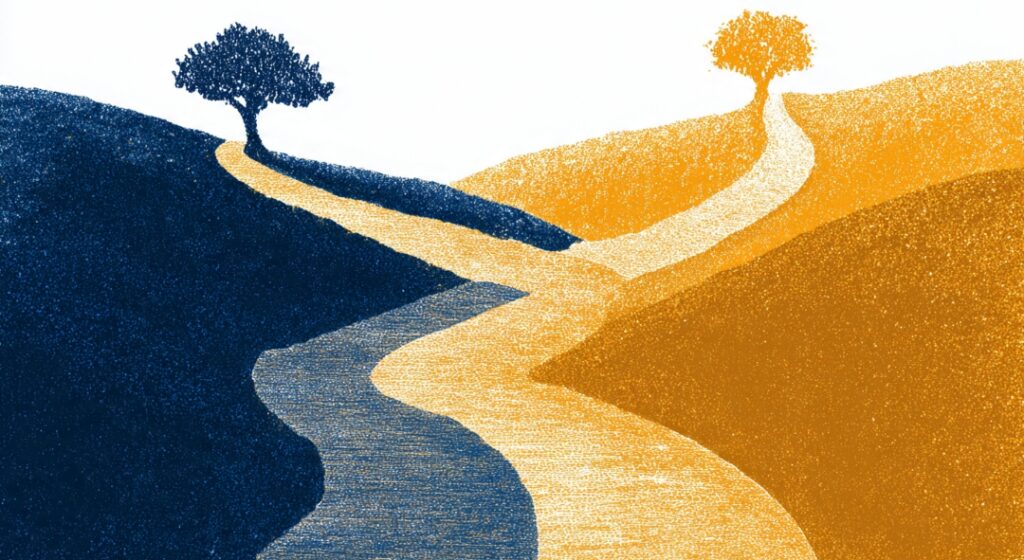
Look closely at the trade, because the math of it is brutal and beautiful at once. Both choices involve the same short window — roughly two years. But the outcomes aren’t just different, they’re inverted across an entire lifetime.
Two years of sacrifice buys decades of security. Two years of indulgence buys decades of hardship. The person who suffers a little now, on purpose, is buying a future; the person who enjoys a little now, carelessly, is selling one. And here’s what makes it so cruel: in the moment, the two people can look almost identical, or the indulgent one can even look like they’re winning — they’re the one enjoying life while the disciplined one goes without. It’s only years later that the paths violently diverge. The short-term picture lies. This is exactly why present bias robs your future self — because your brain weighs the visible now so much more heavily than the invisible later, making the worse trade feel like the better one.
Assets Feed You — Consumption Eats You
The heart of the proverb is the difference between an asset and a consumable, and it’s a distinction most people never draw clearly. An asset is something that keeps producing value for you over time — the land that feeds you every year. A consumable is something you use up once for immediate enjoyment. The land, held, is an asset. The land, sold for a spending spree, becomes consumption.
Wealthy people are, at their core, people who have accumulated assets that feed them. Struggling people are often people who converted every bit of surplus into consumption the moment it arrived, leaving nothing that produces. It isn’t always about how much they earned — it’s about what they did with what they had. The person who takes their surplus and buys assets is buying future income, the kind of passive income that arrives whether or not you work that day. The person who takes the same surplus and buys experiences and objects is buying a moment. Both feel like progress in the instant; only one of them still exists a decade later. Understanding this is the whole point of getting the cash-flow-before-assets sequence right and eventually building income-producing assets that pay you monthly.
Why This Is So Painfully Hard
If the choice is so obvious on paper, why does nearly everyone get it wrong? Because human beings are wired for the immediate. Our instinct is to grab the reward in front of us, a tendency economists call high time preference — valuing a smaller reward now over a larger reward later. It’s not stupidity; it’s biology. For most of human history, seizing the available food made perfect sense because the future was radically uncertain.
But in building wealth, that same instinct is exactly what sabotages you. The famous marshmallow experiment captured this perfectly: children were offered one treat now or two if they could wait, and the ability to wait turned out to correlate with better outcomes far into life. Adults face the same test endlessly, just with bigger stakes — spend the bonus or invest it, upgrade the lifestyle or buy the asset, take the two years of luxury or endure the two years of sacrifice. The wiring pulls hard toward “now,” and beating it isn’t about willpower alone; it’s about understanding the trade clearly enough that the future finally feels as real as the present. That clarity is what the patience paradox is built on — that doing less, and waiting, often beats frantic action.

What “Buying the Land” Means Today
Most people don’t literally buy farmland, so it’s worth translating the proverb into a modern life. “The land” is any asset that produces or preserves value over time — and “the two years of sacrifice” is any period where you deliberately spend less than you could, so that the difference goes into acquiring those assets instead of disappearing into lifestyle.
It might be two years of driving the old car, keeping the small apartment, and skipping the upgrades, while the money you’d have spent goes into investments, a business, a skill, or anything that generates future returns. The specific vehicle matters less than the principle: you are choosing to be temporarily uncomfortable so your future self is permanently secure. And the timeframe in the proverb is deliberately encouraging — it’s two years, not forever. Concentrated sacrifice for a defined period, followed by lasting benefit, is far more achievable than most people assume. This is precisely the mindset that lets someone build wealth starting from nothing: a hard, focused stretch at the start that sets up everything after it.
The Trap of Selling Your Land
The other half of the proverb is the warning most people need more than the encouragement. “Selling the land” — trading a future-producing asset for present enjoyment — is the exact mechanism by which people who should be secure end up struggling.
It happens in slow motion. A raise arrives and instantly becomes a bigger lifestyle rather than bigger savings. A windfall gets spent instead of invested. Assets get sold to fund a lifestyle the income can’t support. Each individual choice feels harmless and even deserved, but the cumulative effect is a lifetime of converting future security into present comfort, one reasonable-seeming decision at a time. This is the quiet engine of lifestyle creep — why earning more never makes people richer. They keep selling the land as fast as they acquire it, and then wonder why, despite decent income, they never feel secure. The discipline isn’t only in buying assets; it’s in refusing to sell the ones you have for a temporary upgrade. It’s the difference between earning well and actually building wealth — two things that look the same and are not.
How to Actually Live the 2-Year Rule
The proverb becomes powerful only when it turns into behavior:
- Define your “two years.” Pick a concrete, bounded period of intensified saving and investing rather than a vague “someday.” A defined sacrifice with an endpoint is survivable in a way that “forever” is not.
- Turn surplus into assets automatically. When money comes in beyond your needs, its default destination should be an asset, not a purchase. Automate it so the decision isn’t remade every time.
- Guard against selling the land. When income rises, consciously send most of the increase to assets before lifestyle absorbs it. The raise is the perfect moment to buy more land, not to sell it.
- Make the future vivid. The reason the wrong trade wins is that the future feels abstract. Get specific about the security those assets will produce, so the later reward can compete with the immediate one.
- Remember the asymmetry when it’s hard. In the difficult stretch, remind yourself that this is the two years that buys decades — the discomfort is the price of the plateau, not a punishment.
Do this and the proverb stops being a nice saying and becomes the operating system of your financial life. It compounds, too — the assets you buy during your two years start producing, and that production buys more assets, which is the quiet power of compounding doing the rest of the work while you simply refuse to sell.
Same Two Years, Different Life
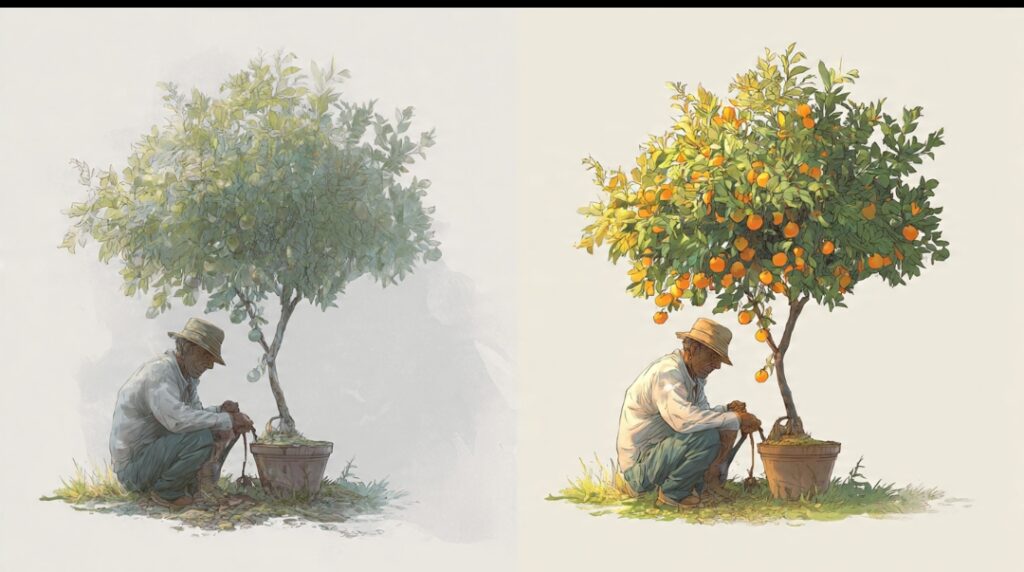
Everyone gets the same raw material: time, and whatever surplus they can generate. The wealthy and the struggling are often separated not by how much they had, but by a single repeated choice about what to do with it — build the asset and endure the wait, or consume the surplus and enjoy the moment. The land proverb has survived for generations because it captures that choice with perfect clarity. Two years of sacrifice for a lifetime of security, or two years of indulgence for a lifetime of want. The trade is always available, in a thousand small forms, every time money passes through your hands. Choose to buy land rather than sell it, endure the defined stretch of discomfort, and let time do the rest — because the person willing to be uncomfortable for two years on purpose is quietly buying a future the impatient will never afford.
- The land proverb: two years of sacrifice buys a lifetime fed; two years of indulgence buys a lifetime hungry — same window, inverted outcomes.
- The real lesson is asset-building vs consumption: assets keep feeding you, consumables are used up once.
- The short term lies — the disciplined and the indulgent can look identical (or the indulgent looks better) until the paths violently diverge years later.
- It’s hard because humans have high time preference (grab the reward now) — beating it means making the future feel as real as the present.
- “Buying land” today means directing surplus into any income-producing asset during a defined stretch of spending less than you could.
- “Selling the land” — lifestyle creep, spending raises and windfalls, consuming assets — is how people with decent income still end up insecure.
Frequently Asked Questions
What is the 2-year sacrifice rule?
It comes from an old land proverb: to buy land you may go hungry for about two years but are then fed for life, while selling it gives roughly two years of luxury followed by lifelong hardship. The lesson is that a defined period of short-term sacrifice to build assets produces lasting security, while consuming assets for short-term pleasure produces lasting struggle.
Why does delayed gratification build wealth?
Because building wealth requires directing surplus into assets that produce future value instead of spending it on immediate consumption. Delaying gratification is precisely the act of choosing the larger future reward (assets, security) over the smaller present one (spending), and it’s one of the strongest predictors of long-term financial outcomes.
What’s the difference between an asset and consumption?
An asset keeps producing or preserving value over time — like land that feeds you every year. Consumption is using something up once for immediate enjoyment. Wealthy people accumulate assets that feed them; struggling people often convert all surplus into consumption, leaving nothing that produces.
Why is delayed gratification so hard?
Because humans are wired with high time preference — an instinct to seize immediate rewards that made sense when the future was radically uncertain. The famous marshmallow experiment showed this pull early in life, and adults face the same test with bigger stakes every time money passes through their hands.
What does “buying land” mean if I can’t afford property?
The land is a metaphor for any asset that produces or preserves value — investments, a business, a valuable skill. “Buying land” means directing your surplus into those assets during a defined period of deliberately spending less than you could, rather than letting the money disappear into lifestyle.
What does “selling your land” mean in modern finance?
It means trading future-producing assets or savings for present enjoyment — letting raises become lifestyle instead of savings, spending windfalls, or selling investments to fund a lifestyle your income can’t support. It’s the slow-motion mechanism behind lifestyle creep and why higher earners can still feel insecure.
How long does the sacrifice period need to be?
The proverb frames it as roughly two years — a concentrated, bounded stretch rather than forever. A defined period with an endpoint is far more achievable than open-ended deprivation, and the point is that a focused sacrifice early can set up lasting benefit afterward.